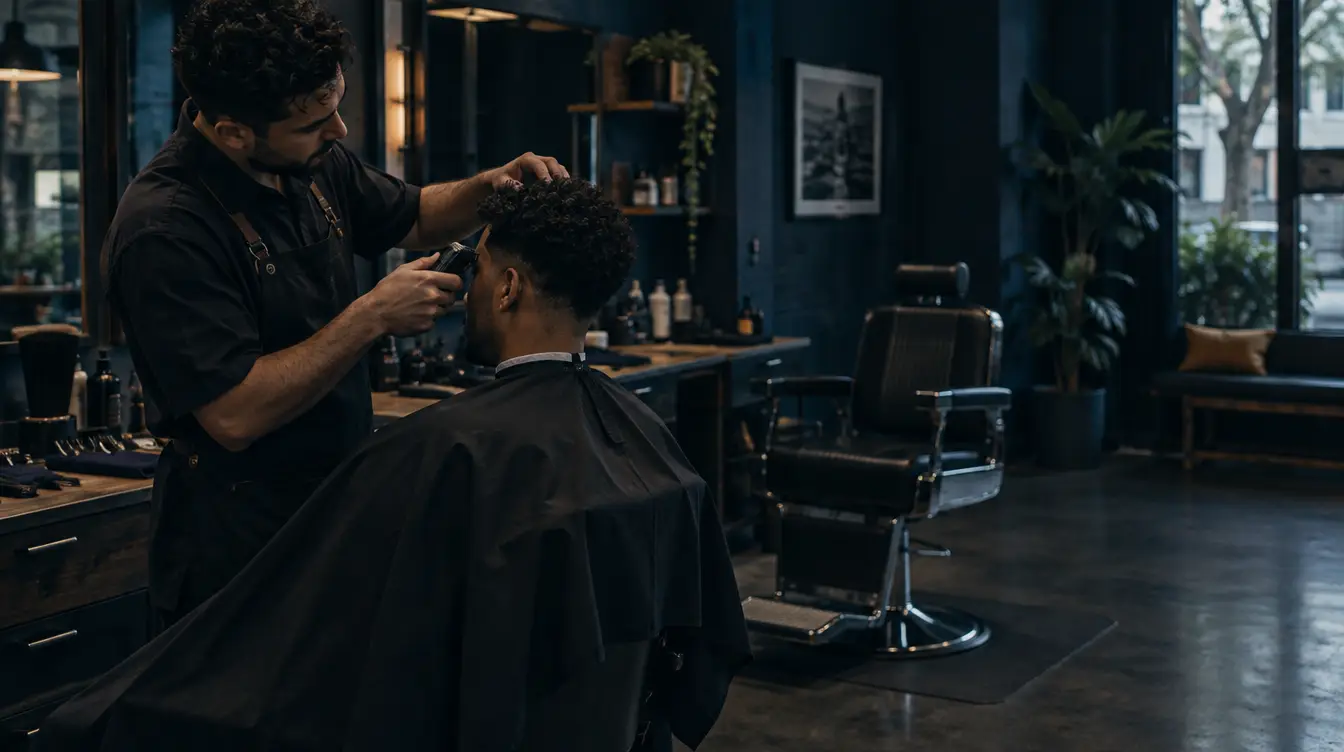
Afro and textured hair barber jobs are chair-based roles where the barber cuts coils, curls and tight curl patterns as part of the regular book: tapers, line-ups, hard parts, twists and fades. In Australia, the quickest way to find or fill one is a trade-only board that shows pay, chair type and verified skills up front.
Most barber ads say "barber wanted" and stop there. They rarely say whether textured hair is part of the book, what the role pays or what kind of chair it is. That gap costs barbers time and costs shop owners weeks of sifting.
This guide covers both sides of the chair. Barbers will see how to show textured hair skill and find a chair that values it. Shop owners will see how to write a listing that reaches specialists, which chair type to offer and how verification cuts hiring risk.
Key Takeaways
- A textured hair role is defined by the regular client mix and the skills the chair needs, not by the job title "barber".
- Generic job boards hide pay, blur skill requirements and send shops applicants who never read the brief.
- Barbers should name specific skills on their profile, filter by city and check pay before applying.
- Shop owners should state four things in every listing: client mix, pay, chair type and skill expectations.
- Choosing the right chair type (full-time, trial-to-permanent, rostered, short cover or rent-a-chair) saves both sides a bad match.
- On BarberRise, posting a role is free, agency commission is 0% and the first placement is free for founding shops.
Built only for barbers and barbershops
Barbers: tell us where you want to cut and when, and shops see you first. Shops: post a role free, and your first placement is free as a founding shop.
Get startedSummary Table
| Topic | What barbers should do | What shop owners should do |
|---|---|---|
| Describing the role | Name the skills you are confident in, with portfolio proof | Name the client mix and the exact skills the chair needs |
| Pay | Check it before you apply | Show it up front in the listing |
| Chair type | Pick the structure that suits your life and goals | Offer the structure that suits the shop's needs |
| Trust | Complete a verified profile | Hire from barbers whose credentials are checked |
| Where to look or post | A trade-only board, filtered by city | A trade-only board, not a general one |
What Counts as an Afro and Textured Hair Barber Role
An Afro and textured hair barber role is a chair where tight curl patterns are a regular part of the book, not an occasional extra. The barber is expected to handle tapers on coils, line-ups, hard parts, twists and curl work with confidence, and the listing or profile should say so plainly.
The core skills
Textured hair behaves differently under the clippers, and the work reflects that. The skills that define these roles include:
- Tapers and fades on tight curl patterns. Dense, coiled hair changes how a blend sits, how guards perform and how much finishing work a cut needs.
- Line-ups and edge work. Sharp, symmetrical lines on a curved hairline, often with a razor, and often on skin that needs careful handling to avoid irritation and ingrown hairs.
- Hard parts. A clean, defined part cut into the hair, which demands a steady hand and a plan before the first pass.
- Twists, coils and curl definition. Styling work that goes beyond clipper cuts and sits closer to the textured hair craft.
- Consultation and maintenance advice. Telling a client how the cut will grow out and how often it needs refreshing.
- Beard work. Many textured hair clients also book beard sculpting, so the two skill sets often travel together.
How to describe it clearly
Vague language is the enemy. "Experienced with all hair types" tells a reader nothing. Compare it with this: "Tapers and skin fades on 4A to 4C hair, razor line-ups, hard parts and twists, with a book that is mostly textured clients."
The second version says what you do, how often and for whom. Use the same approach whether you are writing a profile or a listing. Name the cut types, name the hair patterns you work with, and be honest about your level. A barber who is confident on tapers but still building twist work should say so. Honest profiles produce better matches than inflated ones.
Why Textured Hair Roles Get Lost on Generic Job Boards
Generic boards bury these roles because they treat a barber as one searchable job title. A shop looking for a textured hair specialist gets a pile of applicants who never read the brief, and a barber looking for the chair sees vague ads with no pay and no word on client mix.
Mismatched applicants
General boards are built for every industry at once. A barber ad sits beside hairdressing, retail and hospitality listings, and applicants can apply with one tap. The result is volume without fit. The shop owner reads dozens of applications to find the few who can actually cut a clean taper on coily hair.
Hidden pay
Many barber ads leave pay out entirely or hide it behind "competitive" or "negotiable". For a specialist, that is a problem. Textured hair work takes real skill, and a barber deciding where to spend their week needs to know what the chair pays before they commit time to an interview.
Unverified skills
A general board cannot tell you whether an applicant has the skill they claim. A CV might say "all hair types" and the first real test happens in your chair, with your client in it. For a shop serving a diverse community, one bad cut is a lost regular and sometimes a lost referral network.
I know this from the shop floor. Across ten years in the trade, I have managed three shops, and the pattern never changed. I ran Black Sheep Barbershop on the Gold Coast, which meant 6am opens, no-shows and constant staff hunts through Facebook groups, DMs and generic boards while trying to keep every chair filled. Every hour spent sifting was an hour away from the chair and the business. A full shop runs itself. An empty chair runs you.
Consider a hypothetical shop owner in a multicultural suburb who loses a barber on a Friday. She posts "barber wanted" on a general board, gets a stack of applications by Monday and finds that almost none mention textured hair. She is back to messaging people on social media, which is exactly where the time goes. That is the gap a trade-only board is built to close. We're not Seek. We're not Indeed. We're only for barbers and barbershops.
For Barbers: How to Find the Right Textured Hair Chair
To find the right textured hair chair, build a profile that names your skills specifically, filter roles by city and check the pay before you apply. Treat the listing as a two-way test: it should tell you the client mix, the chair type and what the shop expects from your work.
On BarberRise the process follows a simple pattern we call Three steps. Both sides: create your profile, post or browse, then connect and work. For barbers, that starts with the profile.
Showcase the skill on your profile
Your profile does the talking before you do. Make it specific:
- List textured hair skills by name: tapers on tight curl patterns, line-ups, hard parts, twists, curl work.
- Add portfolio photos of real work on textured hair, not just straight-hair fades.
- State your experience honestly, including how long you have worked with textured clients.
- Complete the verification steps so your profile shows as verified once your credentials are checked.
Shops that need a specialist look for proof. A profile with named skills and a portfolio attached to your application saves them the sifting, and it puts you ahead of applicants who send a one-line message.
Filter by city and check pay before applying
Textured hair demand is local. A chair in one suburb may be mostly textured clients, while the same city's other side has a very different mix. Browse roles by city, whether that is Sydney, Melbourne, Brisbane or the Gold Coast, and read the client mix in each listing.
Then check the pay. Pay is shown up front on BarberRise, so you can compare chairs before you spend a day on interviews. If you want context on what fair looks like in your area, local salary benchmarks for barbers are a useful reference point alongside the award and your own numbers.
Moving from overseas
Barbers from the UK, Canada and New Zealand can tell shops where they are heading and when, months before they land. The Australia Ready pass helps you get ready to cut here. BarberRise never gives visa advice, and all visa questions go to a registered migration agent.
For Shop Owners: How to Write a Listing That Attracts Textured Hair Specialists
A good textured hair listing states four things: the client mix, the pay, the chair type and the skill expectations. If a barber can read those four lines and know whether to apply, the listing is doing its job. Everything else is detail.
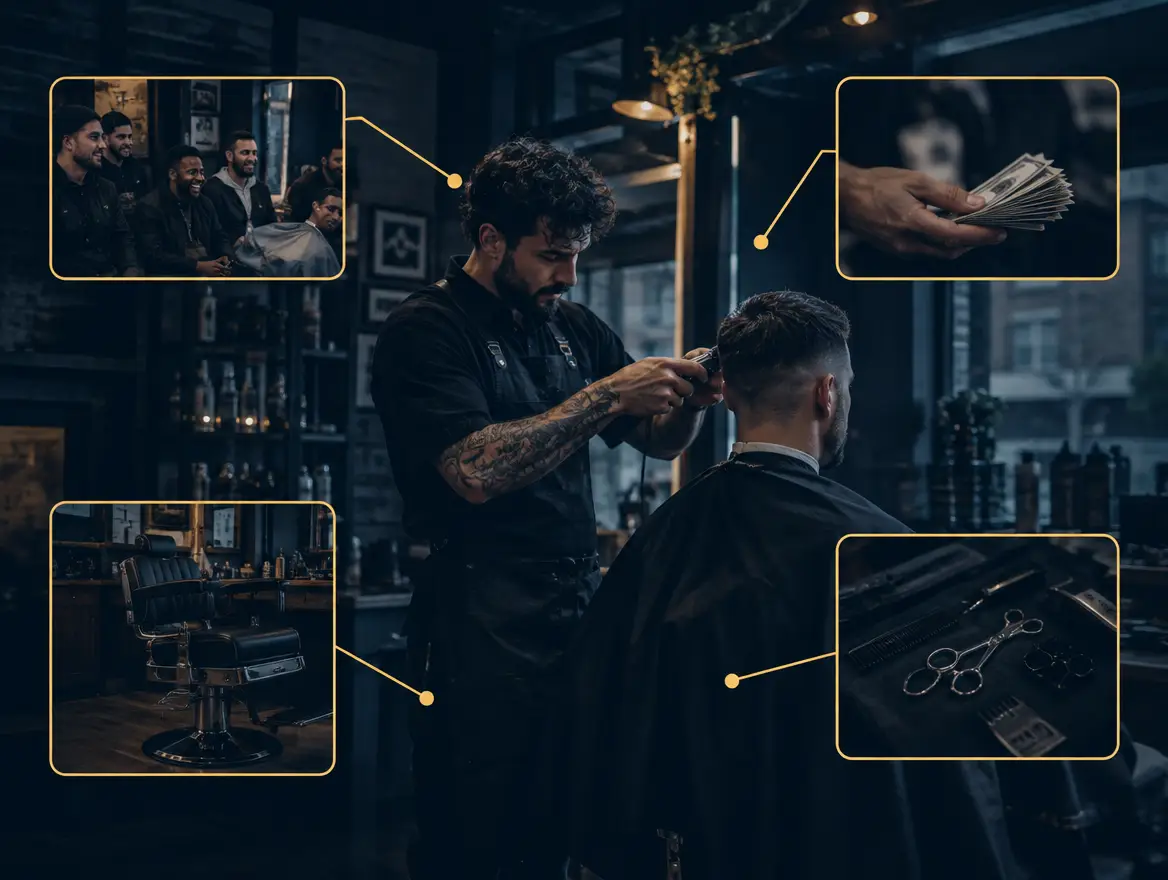
The job post details checklist
Every strong listing covers the same ground. Use this as a working checklist:
- Role title and chair type. Say whether it is full-time, trial-to-permanent, rostered, short cover or rent-a-chair.
- Client mix. Describe who sits in the chair. "Around half our book is Afro and textured hair clients" is far more useful than "diverse clientele". Use your own booking data, not a guess.
- Skill expectations. Name the cuts: tapers on tight curl patterns, line-ups, hard parts, twists. Separate the must-haves from the nice-to-haves.
- Pay. Show it. A range or a rate with a clear basis beats "competitive" every time.
- Hours and location. Opening times, rostered days and the suburb or city.
- Shop culture and support. Training, product, tools, how the team works and whether you mentor.
- What to send. Ask for portfolio photos of textured hair work so you can judge skill before the first call.
A sample listing, written plainly
Here is a hypothetical example of the tone and detail that works:
Textured hair barber, trial-to-perm. Busy suburban shop with a book that is mostly Afro and textured clients. You will cut tapers and skin fades on tight curl patterns, razor line-ups, hard parts and the occasional twist set. Pay is shown below. Portfolio of textured hair work required. Four days a week, including Saturdays.
It is short, specific and honest. It also screens out the wrong applicants before they apply, which is the point.
Why this matters for shops
The shop owner who writes this listing is not asking for more applicants. She is asking for better ones. On BarberRise, a role goes straight to barbers already screened for it, and applications arrive with portfolio and experience attached. Posting a role is free. Agency commission is 0%, never a percentage of wages. The first placement is free for founding shops.
If you also need related skills in the same chair, you can pair the textured hair requirement with specialties such as fades or beard sculpting, and say so in the listing.
Choosing the Chair Type
The right chair type depends on how much commitment each side wants and how fast the shop needs a specialist. BarberRise supports five: full-time, trial-to-permanent, rostered, short cover and rent-a-chair. Each suits a different barber and a different shop, and both sides choose the one that fits.
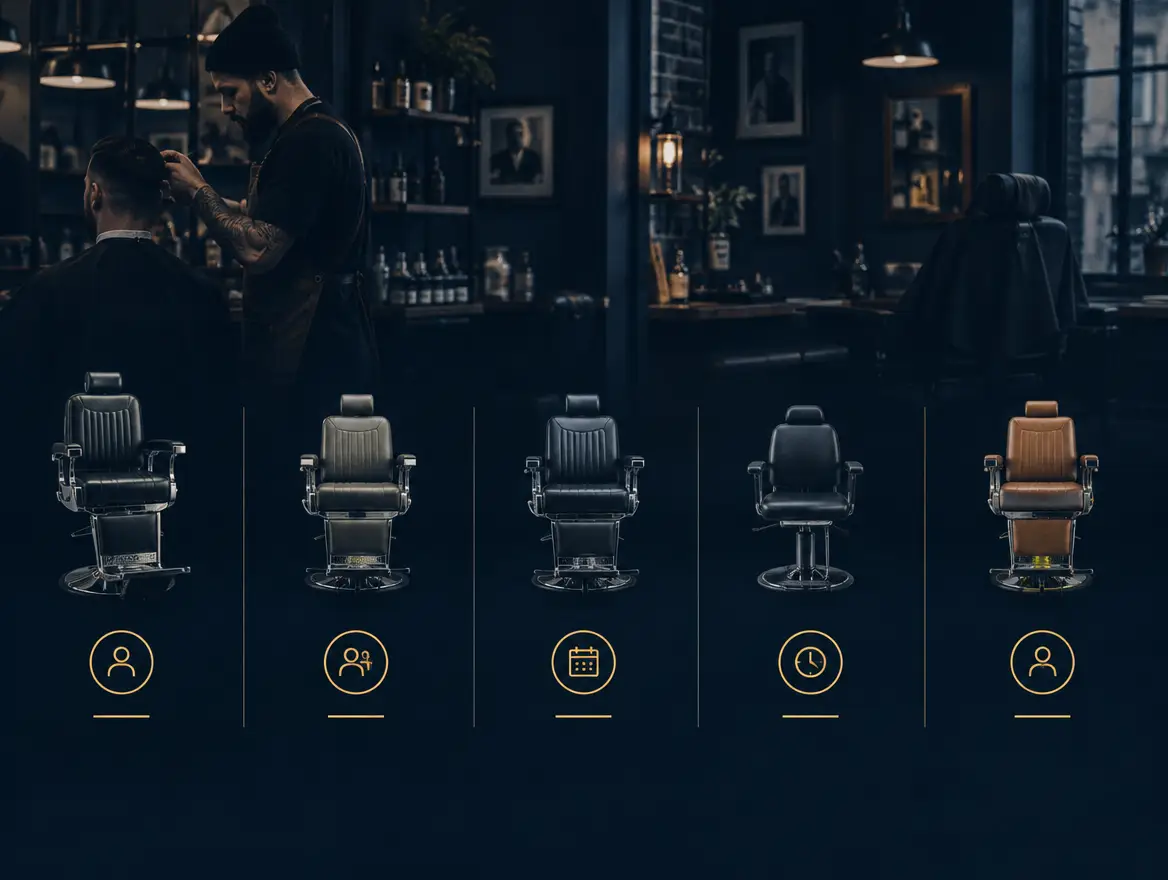
| Chair type | How it works | Suits barbers who | Suits shops that |
|---|---|---|---|
| Full-time | Ongoing role with a regular schedule | Want stability and a steady book | Have a consistent textured hair client base |
| Trial-to-permanent | A trial period that can lead to a permanent role | Want to test the shop before committing | Want to see the skill in the chair before hiring permanently |
| Rostered | Set shifts on a roster | Need flexibility around other commitments | Have peak days that need a specialist |
| Short cover | Fills a gap for a defined period | Want fill-in work or a way into a new city | Need cover for leave or a busy period |
| Rent-a-chair | Barber rents the space and runs their own business | Have a client base and want independence | Have spare chairs and want a specialist to build a book |
Trial-to-perm is often the best fit for specialist skill
Skill on a portfolio is one thing. Skill with a live client is another. A trial-to-permanent arrangement lets the shop see how a barber handles real textured hair clients, and lets the barber see whether the shop's client mix, pay and culture match the listing. It lowers risk for both sides without forcing a long commitment.
Get the classification right
The label on a chair does not decide the legal relationship. Whether someone is an employee or an independent contractor depends on the actual working arrangement. Rent-a-chair in particular needs care, because a barber who is really working under the shop's direction may be an employee in law, with award entitlements. Check the Fair Work Ombudsman and ATO guidance before you set the arrangement, and get advice where it is unclear.
Verification and Trust: Reducing Hiring Risk on Both Sides
Verification reduces hiring risk because it moves the checking to the start of the process. On BarberRise, a barber's credentials are checked before their profile shows as verified, so a shop can see which applicants have been vetted and a barber can apply to listings with pay shown up front.
What it means for shop owners
Hiring a barber you cannot test is a gamble. Verification does not replace a trial cut or a reference call, but it removes the first layer of doubt. When a verified profile arrives with a portfolio of textured hair work and stated experience, you start the conversation further along. That is a real saving when you are running a shop and a chair is empty.
What it means for barbers
Trust runs both ways. Barbers lose time to listings that never mention pay, hours or client mix. A board where pay is shown up front and chair types are labelled clearly lets you check the basics before you travel across town for an interview. Your verified profile also marks you out from unscreened applicants on a general board.
Verification is a starting point
Be realistic. No checking system guarantees a perfect match. Culture, communication and chemistry with clients still matter. Treat verification as the filter that gets the right people into the room, then use a trial, a conversation and a reference call to finish the job.
Why Vague Listings Cost Both Sides More Than Anyone Admits
My position is simple: "all hair types welcome" is not a skill, and a listing that leans on it is hiding the real requirement. Specialist work should be named, shown and paid as specialist work. When a shop buries the textured hair requirement, it gets applicants who cannot do the job. When a barber buries their strengths, they get chairs that do not use them.
I saw the other side of this in Canada, where I ran an academy inside my shops and trained barbers from scratch. We invested in developing new staff, and within months those staff were poached. That experience shaped how I think about recruitment and retention. Training is expensive, and specialist skill is even more so. If a shop invests in a textured hair barber, the chair should be right from the start: honest client mix, fair pay, a structure that suits the barber. People stay in chairs that match what they were promised.
That is why we built BarberRise inside my own shop, bringing job placement, practical education and an industry community into one platform. We call it the three tiers: Community, Education and Job placement. Skills get you started. A community gets you further. A chair is not just a job, it is the base for a career behind the chair, not just a grind, and that includes the health, ergonomics and business know-how that keep a barber in the trade in year fifteen.
Fades to Fair Work is the idea behind it. Skill on the floor should lead to proper pay and clear conditions, and the first step is a listing that says what the role is. Textured hair barbers have been under-described by general boards for too long. A trade-only board fixes that. Only barbers, only barbershops.
Find Your Chair or Fill It
Barbers: create a verified profile that lists your textured hair skills, add your portfolio and browse chairs by city with pay shown up front. Find your chair.
Shop owners: post your textured hair role free. There is 0% commission, never a percentage of wages, and the first placement is free for founding shops. Hire your way, with the chair type that suits your shop.
Rise together. Related reading on BarberRise covers colour specialist roles, apprentice barber jobs by city and the full job board for every city.
References
- Fair Work Ombudsman, Hair and Beauty Industry Award (MA000005) summary
- Fair Work Ombudsman, Independent contractors
- Australian Taxation Office, Employee or contractor
Frequently asked questions
What does an Afro and textured hair barber do?
An Afro and textured hair barber cuts and shapes tight curl patterns. The work includes tapers and fades on coiled hair, razor line-ups, hard parts, twists and curl styling, plus advice on maintenance between cuts. Many also do beard work, since the two often come together in the same booking.
How do I find textured hair barber jobs in Australia?
Use a trade-only board that lets you filter by city, shows pay up front and labels the chair type. On BarberRise, create a verified profile that lists your textured hair skills, add portfolio photos and apply to roles that state the client mix. Avoid listings that say only all hair types without detail.
How do I hire a textured hair barber?
Write a listing that states the client mix, the pay, the chair type and the skill expectations. Ask for portfolio photos of textured hair work and consider a trial-to-permanent arrangement so you can see the skill in the chair. Posting on BarberRise is free, with 0% commission.
What chair types are available for textured hair barbers?
BarberRise supports five: full-time, trial-to-permanent, rostered, short cover and rent-a-chair. Full-time and rostered suit steady work, trial-to-perm suits testing the fit, short cover suits fill-in work and rent-a-chair suits barbers with their own client base. Check employment status carefully for any arrangement.
Can overseas barbers apply for textured hair jobs in Australia?
Barbers from the UK, Canada and New Zealand can tell shops where they are heading and when, and the Australia Ready pass helps them prepare to cut here. BarberRise does not give visa advice. Visa questions go to a registered migration agent.
Find a chair near you
Every city, by state: barber jobs in Australia and hairdressing jobs in Australia. Pay floors and how each pay structure works: what barbers get paid.

BarberRise
The team building Australia's job platform for barbers and barbershops.
Keep reading
current barber vacancy counts
Current Barber Vacancy Counts: How to Read Live Job Numbers on City and Region Hubs
15 min read
barbershop employer profile and workplace photos
Barbershop Employer Profiles and Workplace Photos: How to Show Barbers the Chair Before They Apply
15 min read
Barber jobs Australia
Barber Jobs Australia: How to Browse Open Chairs by City, Skill and Chair Type
18 min read