
Barber colour specialist jobs are chair-based roles where a barber is hired mainly for grey blending, camo colour, bleach and tone, fashion colour or beard tinting. To find one, show a colour portfolio and verified credentials, and search a trade-specific board. To fill one, state pay and colour scope up front and run a short trial.
Colour used to be something men's barbering sent next door to the salon. Now clients ask for grey blending at the temples, a toned platinum crop or a beard tint to even out patches, and they expect to get it in the same chair as their fade. Shops that do colour well keep clients longer and lift the value of each visit.
The problem is that these roles are hard to find and hard to fill. Search the term today and the top results are general listing pages that mix barber and hairdresser roles across a state or suburb. This guide shows barbers how to land a colour chair, and shows shop owners how to hire for colour without trawling boards built for every trade.
Key Takeaways
- A barber colour role is different from a salon colourist role: shorter appointments, men's results, and colour sitting alongside cutting.
- Colour roles get buried on generic boards because they overlap with hairdressing searches, hide pay and rely on unverified claims.
- Shops trust colour skills when they see a before-and-after portfolio, named product systems, a written patch testing routine and checked credentials.
- Before accepting a colour chair, ask about product supply, service pricing and how much time you get per client.
- Shop owners attract better colour applicants by showing pay up front, listing the exact colour services and using a short trial to assess real work.
- On BarberRise, posting a role is free, commission is 0% and never a percentage of wages, and founding shops get their first placement free.
Built only for barbers and barbershops
Barbers: tell us where you want to cut and when, and shops see you first. Shops: post a role free, and your first placement is free as a founding shop.
Get startedSummary Table
| Topic | If you are a barber | If you are a shop owner |
|---|---|---|
| Role scope | Define which colour services you do well | List the exact colour services the chair needs |
| Proof of skill | Portfolio, product systems, safety routine | Ask for portfolio and check credentials |
| Chair type | Pick the arrangement that fits your stage | Offer the arrangement that fits the role |
| Pay | Expect it shown up front | Show it up front to attract serious applicants |
| Assessing fit | Use a trial to test the shop | Use a trial to test colour work |
| Where to look | Trade-specific board with city hubs | Trade-specific board with screened barbers |
What does a barber colour specialist do?
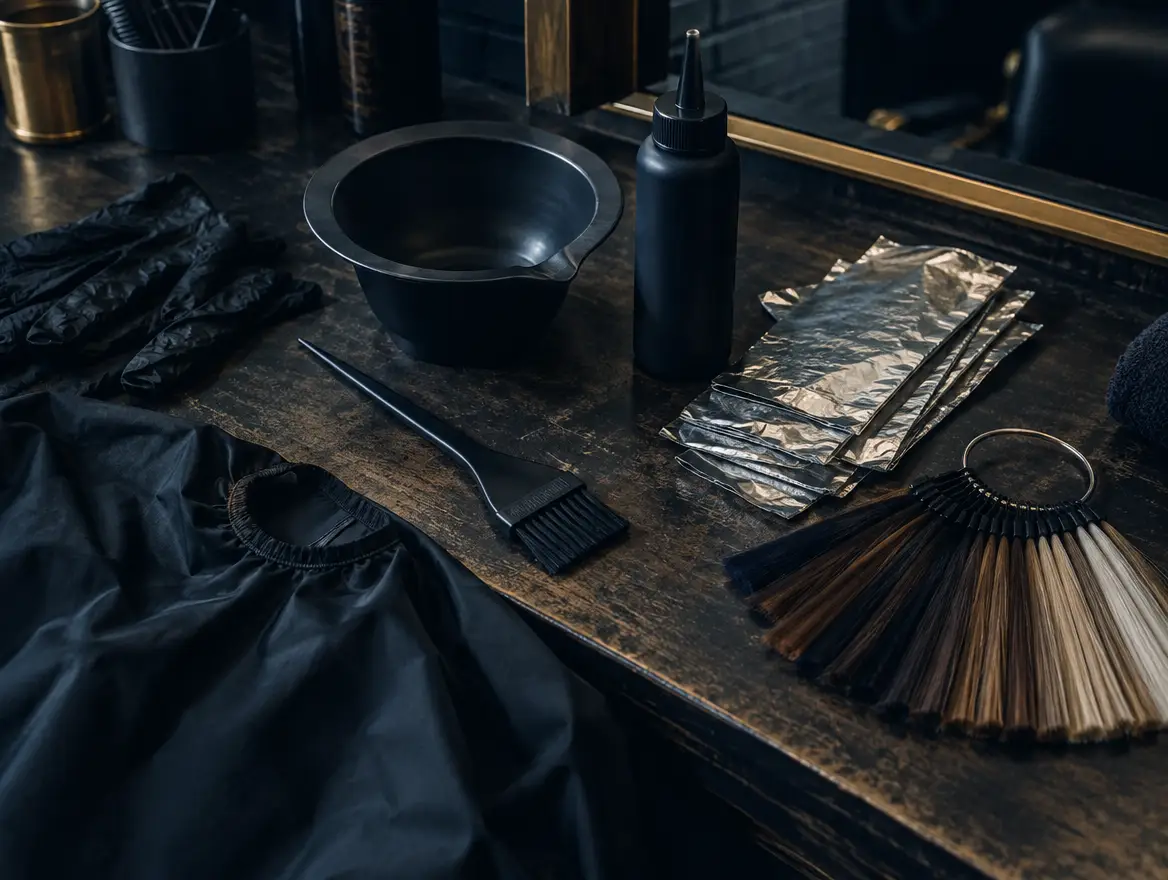
A barber colour specialist is a barber hired for colour services as well as cutting: grey blending, camo colour, bleach and tone, fashion colour and beard tinting. The work fits a barbershop's pace and pricing, with men's results in mind, rather than the long multi-step appointments of a salon colour room.
Grey blending and camo colour
Grey blending softens grey rather than hiding it. The aim is a natural result that grows out without a hard line, so the client can come back on his usual cycle. Camo colour is a step further, covering grey more fully while keeping the shade believable against the client's natural tone.
This is the service most likely to build a loyal book. A man who finds someone who blends his grey well rarely shops around. It is also repeat work: grey grows back, and the appointment gets rebooked.
Bleach, platinum and tone
Bleach and tone work is technical. Lifting dark hair to platinum or a clean light blonde needs judgement about timing, condition, developer choice and toner. Mistakes are visible and costly, which is why shops want to see finished results, not just hear about experience.
Fashion colour and beard tinting
Fashion colour covers the bolder end: blues, reds, pastels and colour placement on a textured crop. Beard tinting evens out patchy colour or softens grey in facial hair. Check the product label and manufacturer instructions for facial use before you tint a beard, because not every scalp colour product is intended for use on the face.
How it differs from a salon colourist role
A salon colourist often works in a colour-focused room with longer bookings and a wider range of services. A barber colourist works in a shop where the day is built around cuts, fades and beard work, and colour has to slot in. That means being fast with consultation, clear about what a service involves and disciplined about processing time so the chair keeps moving.
The skills overlap, and plenty of barbers train in colour through hairdressing-style courses. But the role is not the same job, and shops hiring for it want someone who understands barbershop flow and male clients.
Why do colour roles get lost on generic job boards?
Colour roles get lost because general boards group barbers and hairdressers together, pay is often missing, and colour experience is claimed rather than shown. A shop looking for a colourist and a barber looking for a colour chair both scroll through listings that were never written for them.
Look at the pages that currently rank for this search. They are location-based listing pages that mix barber, hairdresser and other roles. A barber searching for a colour chair has to filter out salon roles, apprentice ads and unrelated trades before reaching anything relevant.
Three problems repeat:
- Search overlap. Hairdressing and barbering share keywords. A colour-focused barber role is easily drowned by salon colourist ads that suit a different workplace.
- Vague pay. Listings that say competitive pay or negotiable hide the information a colour specialist needs most, which is how colour services are priced and paid.
- Unverified claims. Anyone can write colour experience on a CV. Without a portfolio and checked credentials, a shop cannot tell the barber who has done a hundred grey blends from the one who watched a tutorial.
BarberRise's founder, Justin, has ten years in the trade and has managed three shops. His practical take: hiring for a specialist skill through a general board is hard because the board cannot tell what a chair-based role needs. You end up sifting applicants who never read the ad, then chasing portfolios by DM.
We're not Seek. We're not Indeed. We're only for barbers and barbershops. A role posted here goes to barbers already screened for it, with pay shown up front and credentials checked before a profile shows as verified. Only barbers, only barbershops.
How do you present colour skills so shops can trust them?
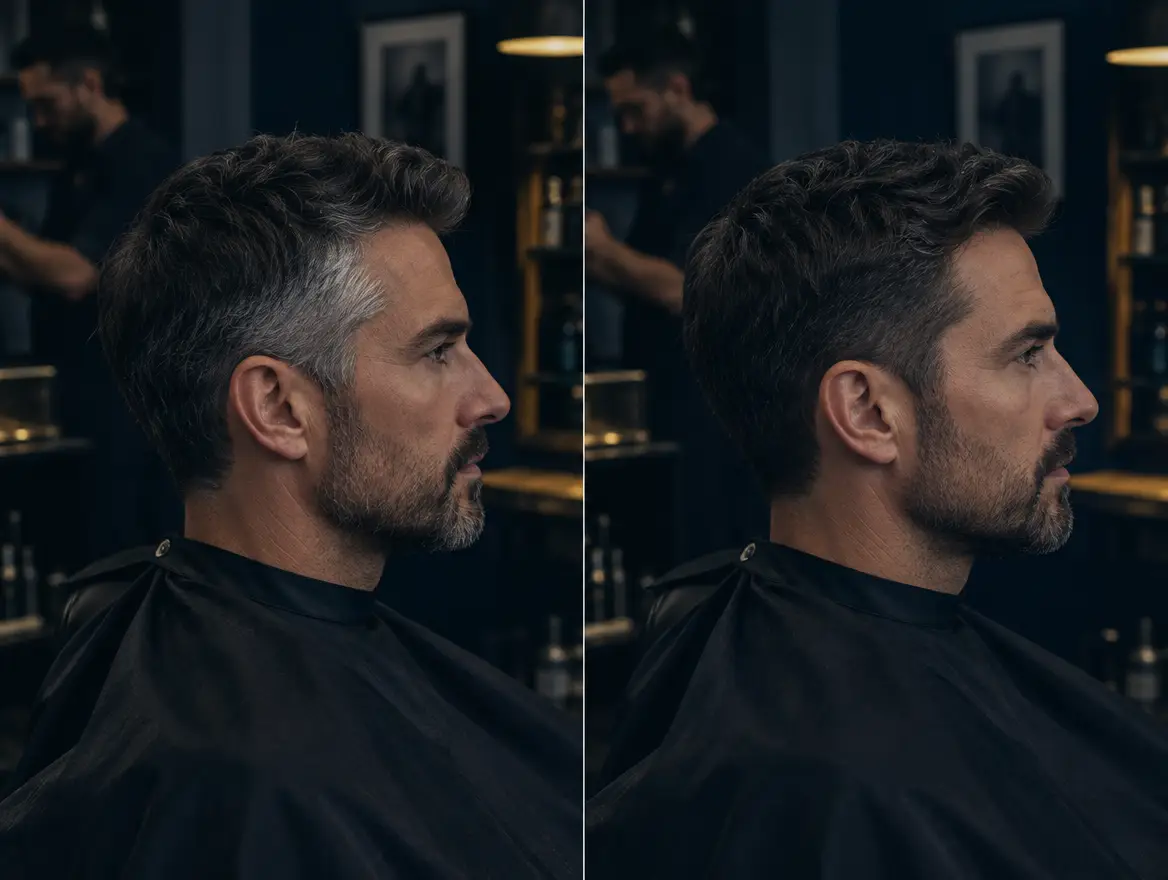
Show colour skills with a before-and-after portfolio, a clear list of product systems you have used, a written patch testing and safety routine, and credentials a platform has checked. Shops hire on evidence. A claim of colour experience tells them little; a documented result tells them plenty.
Build a before-and-after portfolio
A colour portfolio should show the starting point and the result, in consistent lighting, from more than one angle. For grey blending, show the temples and the crown. For bleach and tone, show the lift stage and the finished tone. Group images by service so an owner can find the exact skill they need in seconds.
Include a spread, not just your best single result. A shop wants to see that you can handle different hair types, starting levels and client goals. If a result needed a correction, you can note it. Honest work builds more trust than a feed of only perfect outcomes.
Name the product systems you know
Colour products behave differently, and shops usually stock one or two systems. List the lines you have used, what you used them for and how comfortable you are mixing and timing them. A barber who can step into the shop's existing system is easier to hire than one who needs the shop to change its supplier.
Show your patch testing and safety practice
Safety practice is part of being trusted with colour. Be ready to explain how you handle patch testing before colour services, how you record client consultations, how you protect skin, and how you manage ventilation and glove use. Follow the manufacturer's instructions for each product, as they set out patch test requirements.
For workplace hazard guidance on chemicals, Safe Work Australia is a reliable starting point, and the Australian Industrial Chemicals Introduction Scheme (AICIS) regulates the chemicals used in cosmetic products. Shop owners have duties here too, so a barber who can talk comfortably about safe practice reduces the owner's risk.
Get your credentials verified
A verified profile removes guesswork. On BarberRise, credentials are checked before a profile shows as verified, so a shop sees confirmed qualifications next to your colour portfolio. Create your profile, add your colour work, then get your credentials verified so your profile stands out.
The platform works in three steps for both sides: create your profile, post or browse, then connect and work.
How do you choose the right colour chair?
Choose a colour chair by matching the arrangement to your stage: full-time for stability, trial-to-permanent to test fit, rostered or short cover for flexibility, rent-a-chair for control. Then ask about product supply, service pricing and appointment time before you accept anything.
Pick the arrangement that suits you
BarberRise supports five placement types: full-time, trial-to-permanent, rostered, short cover and rent-a-chair.
- Full-time. Best if you want a steady book and a team around you. Colour demand builds over time as the shop promotes it.
- Trial-to-permanent. Suits both sides when colour is new to the shop. You test the culture and clientele, and the owner tests your colour work.
- Rostered. Useful if you want to add colour days around other commitments.
- Short cover. A way to try a shop or build experience without a long commitment.
- Rent-a-chair. More control over pricing and product, with more business responsibility. Get advice on contractor arrangements from the Fair Work Ombudsman, because the label on an arrangement does not decide whether someone is an employee or a contractor.
Questions to ask before you say yes
Colour is where chair details matter most. Ask:
- Who supplies colour product? Does the shop stock a system you know, or do you bring your own? Who pays for wastage and for toners and developers?
- How is colour priced? Is there a set menu, or do you price per client? Is a consult included? How are corrections and patch tests handled?
- How much time does the book allow? Colour has processing time. Ask how long a grey blend or a bleach and tone is booked for, and whether you can work on another client while colour processes.
- How is colour paid? Is it the same split as cutting, or different? Is pay shown clearly in the listing?
- Who promotes colour? Does the shop market the service on its socials and website, or are you expected to build demand alone?
- What about equipment and space? Is there a basin positioned for colour, a mixing area and storage that suits the products?
- What happens if a client has a reaction? Ask about the shop's incident process and insurance cover.
A shop that answers these clearly is a shop that has thought about colour. A shop that goes vague is telling you something too. Use a trial to see how the answers play out on a real Saturday.
How should shop owners write a colour specialist listing?
A good colour specialist listing names the colour services, shows the pay structure up front, states what product and support the shop supplies, and offers a short trial. Barbers with real colour skills respond to specifics. Vague ads attract vague applicants and waste your week.
Name the services, not just colour
Write which services the chair needs: grey blending, camo colour, bleach and tone, fashion colour, beard tinting, or a mix. Say which you want daily and which are occasional. A barber who does beautiful fashion colour may not be your best grey blender, and the listing is the first place to sort that out.
Show pay up front
Say how colour is paid: percentage split, hourly rate, a base plus colour bonus, or chair rental terms. Barbers skip listings that hide pay, and the ones who stay and apply are often the ones with the least to compare against. Showing pay also helps you stay on the right side of the rules; the Fair Work Ombudsman publishes guidance on awards and pay for employees, including those in the Hair and Beauty Industry Award. Fades to Fair Work: clarity about pay is part of being a good employer.
For current market ranges, use the BarberRise local salary benchmarks for barbers rather than guessing. This article does not quote pay figures, because they vary by city, experience and arrangement.
Say what you supply
Tell applicants which colour system you stock, whether you provide training on it, how long you allow per colour service, and whether you will promote the service to your clients. A listing that says all of this saves both sides time.
Use a trial to assess colour work
A short trial beats a long interview for colour. Book a model or a willing regular for a grey blend or a tone job, and watch the consultation, the mixing, the timing and the finish. Assess how the barber talks to the client, how they handle patch testing and how tidy they leave the colour area.
Trial-to-permanent is built for this. The barber sees your shop and clients, you see the work, and either side can decide with real information. Be clear in writing about what the trial involves and how it is paid, and check your obligations with the Fair Work Ombudsman.
Why hiring for colour is a different problem
Justin ran an academy inside his Canadian shops and trained barbers from scratch. The staff he trained were poached within months. That experience shapes how BarberRise thinks about hiring: if you invest in a specialist skill, you need a way to hire people who already have it, and a way to keep them. Screened applicants who arrive with portfolio and experience attached are far cheaper than training someone who leaves.
On BarberRise, posting a role is free, commission is 0% and never a percentage of wages, and founding shops get their first placement free. Hire your way: pick the arrangement that suits the chair, then post.
Where can you search barber colour roles by city?
Search colour roles by city, because demand and chair arrangements vary between markets. BarberRise has city and region hubs for barber jobs, so you can browse local chairs, then set a job alert so new colour roles reach you without daily searching.
Start with the hub for your city or region, whether that is Brisbane, the Gold Coast, Sydney, Melbourne, Perth, Adelaide or a regional centre. Then narrow by arrangement and look for listings that mention colour services. If you are weighing up related specialist paths, BarberRise also has pages on specialty skills such as fades and beard sculpting, and on men's hair system jobs.
To see how many roles are open right now, check the current barber vacancy counts rather than relying on guesswork. To set up alerts, use the Barber Job Alerts page and choose colour roles for your city.
Find your chair: create a profile, add your colour portfolio, get your credentials verified and set a job alert for colour roles.
Shop owners: post your colour specialist role free, with 0% commission. Founding shops can claim a free first placement. A full shop runs itself. An empty chair runs you.
Why colour is a retention problem, not just a hiring problem
Most advice treats colour as a hiring problem: find someone who can do it. My view, and BarberRise's, is that it is just as much a retention problem. A barber with a strong colour portfolio is highly visible to every other shop, which makes them the easiest person in your team to lose.
Justin saw this first-hand. He built an in-house academy in his Canadian shops, trained new staff from scratch and watched them get poached within months. Colour skill makes that risk sharper, because the results are photographed, posted and shared.
Before you hire or train a colour specialist, consider what holds them in the chair:
- Clear colour pay. If colour services pay the same as a basic cut but take longer, a good colourist will leave for a shop that prices them properly.
- Protected time. If colour clients are squeezed into fade slots, results suffer and so does the barber's reputation.
- A path forward. Skills get you started. A community gets you further. Barbers stay where they can keep learning, so build in education, product training and a say in the colour menu.
- A fair trial and a fair offer. Move from trial to permanent on clear terms, not on goodwill.
Consider a shop that adds grey blending to its menu, hires one colour-skilled barber and says nothing about pricing, time or progression. That barber builds a loyal clientele, and the first shop that offers clearer terms takes the barber and the clients. The fix is not a cleverer ad. It is a chair designed for the work.
That is the career behind the chair, not just a grind. BarberRise's approach is built on three tiers: community, education and job placement. A colour specialist needs all three to last, and so does the shop that employs them.
References
- Fair Work Ombudsman, Pay, awards and employment guidance
- Safe Work Australia, Hazardous chemicals guidance
- Australian Industrial Chemicals Introduction Scheme (AICIS), Cosmetics and chemicals regulation
Frequently asked questions
What does a barber colourist do?
A barber colourist handles colour services in a barbershop: grey blending, camo colour, bleach and tone, fashion colour and beard tinting. They work alongside cutting and beard services, so appointments need to be efficient and results suited to men's hair and facial hair.
Where can I find barber colourist jobs in Australia?
Use a trade-specific board where roles are written for barbers and pay is shown up front. On BarberRise, you can create a profile, add a colour portfolio, get credentials verified and set a job alert for colour roles in your city. General boards mix barber and hairdresser listings and make colour roles harder to spot.
How do I hire a barber colourist for my shop?
Write a listing that names the colour services you need, shows pay up front and states which product system you supply. Then run a short trial where you watch a real colour service from consultation to finish. BarberRise lets you post a role free with 0% commission, and founding shops get their first placement free.
How much do barber colourists earn in Australia?
Pay depends on city, experience, arrangement and how colour is priced and split. Check the BarberRise local salary benchmarks for barbers for current ranges, and ask any shop how colour is paid before you accept a chair.
What should a colour trial involve?
A colour trial should involve a real or model client, a proper consultation, patch testing where required, mixing, application, timing and a finished result you can both assess. Agree in writing what the trial covers, how long it runs and how it is paid, and check your obligations with the Fair Work Ombudsman.
Find a chair near you
Every city, by state: barber jobs in Australia and hairdressing jobs in Australia. Pay floors and how each pay structure works: what barbers get paid.

BarberRise
The team building Australia's job platform for barbers and barbershops.
Keep reading
barber job market FAQs
Barber Job Market FAQs: Straight Answers About Finding or Filling a Chair in Your City
15 min read

barber jobs nearby locations
Barber Jobs in Nearby Locations: How to Widen Your Search to Surrounding Suburbs and Towns Without Losing the Right Chair
16 min read
state-level barber job hubs
Moving Interstate as a Barber: How to Use State-Level Barber Job Hubs to Compare Chairs Before You Relocate
19 min read