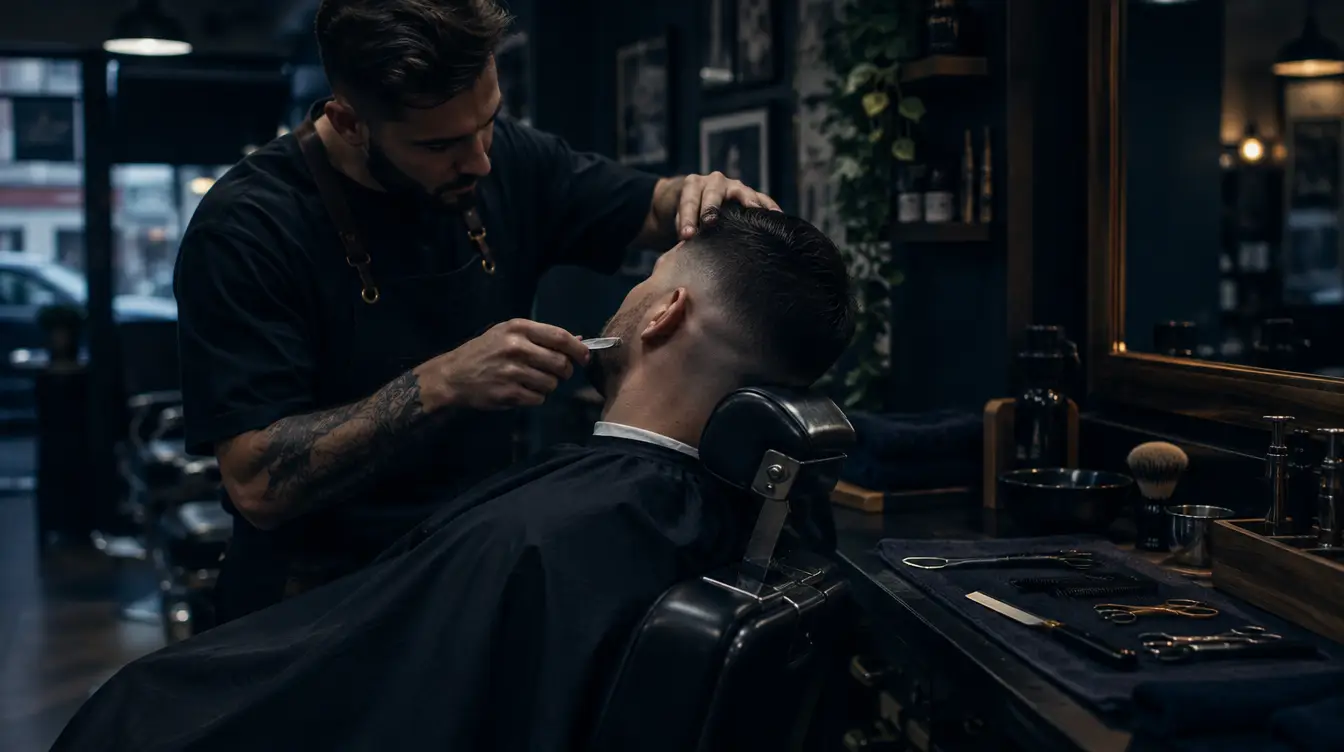
Barber jobs by skill means searching for a role by what you cut best, then checking it against your city. Fades, beard sculpting and straight razor work are asked for differently depending on shop type and client mix. Lead with your strongest local skill, and check live listings on city hubs to confirm demand.
A 'barber job' is really a skill in a place. A fade specialist in a busy CBD shop and a razor-shave barber in a premium suburban studio are different hires, even though both carry the same title. Searching for 'barber jobs' lumps them together, and that is where time gets wasted on both sides of the chair.
This guide shows barbers how to pick the skill to lead with in their city, and shows shop owners how to write a listing that attracts the right person. It draws on our founder's ten years in the trade and three shops managed. We do not publish invented search volumes or vacancy numbers here. Everything below is a pattern to check against live listings, not a statistic.
Key Takeaways
- A barber job is a skill in a place. Match what you cut best to what your city and shop type actually need.
- Read three local signals before you apply or advertise: client mix, shop type and live listings on your city hub.
- Fades tend to lead in high-volume shops, beard sculpting in grooming-focused shops, and straight razor work in premium studios. Treat these as patterns, not rules.
- Barbers should lead their profile with one strong local skill, show a portfolio and get credentials verified.
- Shops should name the skill, show pay up front and state the chair type: full-time, trial-to-permanent, rostered, short cover or rent-a-chair.
- If your skill is thin locally, widen to nearby suburbs and towns before you widen your skill list.
Built only for barbers and barbershops
Barbers: tell us where you want to cut and when, and shops see you first. Shops: post a role free, and your first placement is free as a founding shop.
Get startedSummary Table
These are common patterns by shop type, not hard data. Always confirm against live listings in your city.
| Skill | Shop types that often ask for it | What shops usually want to see | What to check in live listings |
|---|---|---|---|
| Fades and skin fades | Express and high-volume shops, CBD and student areas | Clean blends, speed, consistency across many heads | Words like 'skin fade', 'walk-ins', 'busy chair' |
| Beard sculpting | Premium grooming shops, mixed men's grooming studios | Line work, shaping, beard and haircut as one service | Words like 'beard design', 'grooming', 'appointment-led' |
| Straight razor work | Premium suburban studios, heritage-style shops | Safe technique, hot towel service, calm pace | Words like 'hot shave', 'razor', 'premium service' |
| Mixed family cuts | Family and suburban neighbourhood-style shops | Range, patience with kids, steady regulars | Words like 'all ages', 'family', 'regular clientele' |
Why does searching by skill and city beat searching 'barber jobs'?
Searching 'barber jobs' returns every chair in every kind of shop, so you sift for hours. Searching by skill and city narrows the field to roles that fit what you cut and who sits in the chair locally. Both barbers and shops hire this way in practice, whether the board admits it or not.
Consider the two extremes. A CBD express shop needs someone who can deliver a sharp skin fade quickly, over and over, with walk-ins stacked up. A premium suburban studio might book longer appointments and sell a hot towel razor shave as the headline service. Both advertise for 'a barber'. The person who thrives in one can be miserable, or simply ineffective, in the other.
Generic boards cannot tell the difference. They list a barber role next to retail and hospitality jobs, collect every applicant and leave the shop to sort the pile. We built BarberRise for one trade. We're not Seek. We're not Indeed. We're only for barbers and barbershops, and a role goes straight to barbers already screened for that skill.
Our founder spent ten years in the trade and managed three shops. The pattern was the same each time. A mismatched hire cost more than an empty chair, because it burned roster time, frustrated regulars and often ended in a quick resignation. A full shop runs itself. An empty chair runs you. A wrong fit does both.
How do you read local demand signals for barbers?
Read three signals: the client mix in your area, the type of shops operating there and what live listings actually say. None of these needs a spreadsheet. Together they show which skill is worth leading with in your city, and they cost nothing to check before you apply or post.

Client mix
Who lives and works nearby shapes what gets booked. A suburb with many young professionals and students tends to support frequent fades. An area with older regulars may lean towards classic cuts and shaves. A growing family suburb supports shops that cut every age. Walk the main street, look at who is in the chairs and ask the barbers what they book most.
Shop type
Shop type is the fastest filter. Express shops usually prize speed and volume. Family shops prize range and reliability. Premium grooming studios prize presentation and service depth. When you read an ad, work out which type you are looking at first, then ask whether your strongest skill suits it.
Live listings on city hubs
Live listings are the check that matters. On BarberRise, each city has its own hub, so you can see which roles are open now and which skills they name. Read ten listings and count the repeat words. If three ads name skin fades and none name razor work, that tells you something real about the current market.
For the raw numbers on how many roles are open right now, see our post on current barber vacancy counts. We will not repeat it here. This article is about reading those numbers by skill. If your own city looks thin, our post on barber jobs in nearby locations covers where else to look.
One caveat. Listings are a snapshot. A skill that looks quiet this month may be in demand next month, so check again before you decide.
Which skills do Australian barbershops ask for, and where?
Fades, beard sculpting and straight razor work each tend to cluster in different shop types. Express shops lean towards fades, premium grooming shops towards beard work and razor service, and family shops towards range. These are common patterns from the trade, not measured data, so confirm them against your own city hub.
Fades and skin fades
Fade barber jobs in Australia are common wherever shops run high volume. Think CBD express shops, university areas and busy shopping strips. These shops want clean blends that are consistent from the first cut of the day to the last. Speed matters, but rework costs more than speed saves.
If you lead with fades, show proof of consistency. A portfolio of ten different heads with the same quality of blend says more than one perfect photo. Show the back and sides as well as the front. Shops hiring for fades are usually filling a high-traffic chair, so they also care about turning up on time, every time.
Beard sculpting
Beard sculpting barber jobs often appear in premium grooming shops and appointment-led studios. Here the beard is not an add-on. It is part of the service, and clients book it alongside a cut. Line work, shaping to face structure and skin care awareness all count.
Photography is your friend. Show before and after shots, and show the lines up close. A shop owner reading your profile wants to see that your edges are clean and your shaping suits the face. If you also cut well, say so, because many of these shops want a barber who can do the whole look.
Straight razor work
Straight razor barber jobs tend to sit in premium suburban studios and heritage-style shops, where a hot towel shave is a signature service. These roles prize calm technique, hygiene discipline and a slower, service-led pace. Clients often pay for the experience as much as the result.
This is where verified credentials carry the most weight. A shop handing a client's throat to a new hire wants proof of training and safe practice, not just a confident claim. If razor work is your strength, get your credentials checked and show your process, including sterilisation and blade handling.
The family and mixed shop
Not every shop wants a specialist. Family and suburban shops often hire for range: a bit of everything, patient with kids, steady with regulars. If that is the shop you want, say 'all-rounder' and show variety. Hiring a skilled barber for these chairs means hiring reliability first and flair second.
How should barbers lead their profile with a local skill?
Lead your profile with the one skill your city is most likely to need and that you do best. Add a portfolio that proves it, and get your credentials verified. Shops scan quickly, so a clear first line beats a long list of everything you can do.
Here is the order that works:
- Pick your lead skill. Check your city hub, find the skill that appears most in listings, and match it to your real strength. Do not lead with a skill you merely tolerate.
- Show a portfolio. Photos of finished work, clearly labelled by service. Ten strong images beat forty mixed ones.
- Get credentials verified. On BarberRise, credentials are checked before a profile shows as verified. That badge saves a shop owner the guesswork.
- State your preferred chair. Full-time, trial-to-permanent, rostered, short cover or rent-a-chair. Say which suits you.
- Add a second skill underneath. Lead with one, support with another. A fade specialist who also shapes beards is useful in more shops.
Check pay before you commit. Our Barber Pay and Rates resource shows what to expect by role type, and listings on BarberRise show pay up front so you are not guessing.
If you are a barber from the UK, Canada or New Zealand, you can tell shops where you are heading and when, months before you land. The Australia Ready pass gets you prepared to cut here. We never give visa advice. Visa questions always go to a registered migration agent.
Skills get you started. A community gets you further. Your profile is the start of that, not the end.
How should shops write a skill-specific barber listing?
Name the exact skill, show pay up front and state the chair type. A listing that says 'skin fade specialist, full-time, pay shown' attracts barbers who fit. A listing that says 'barber wanted' attracts everyone, and you sift for hours. Specific wording does the screening for you.
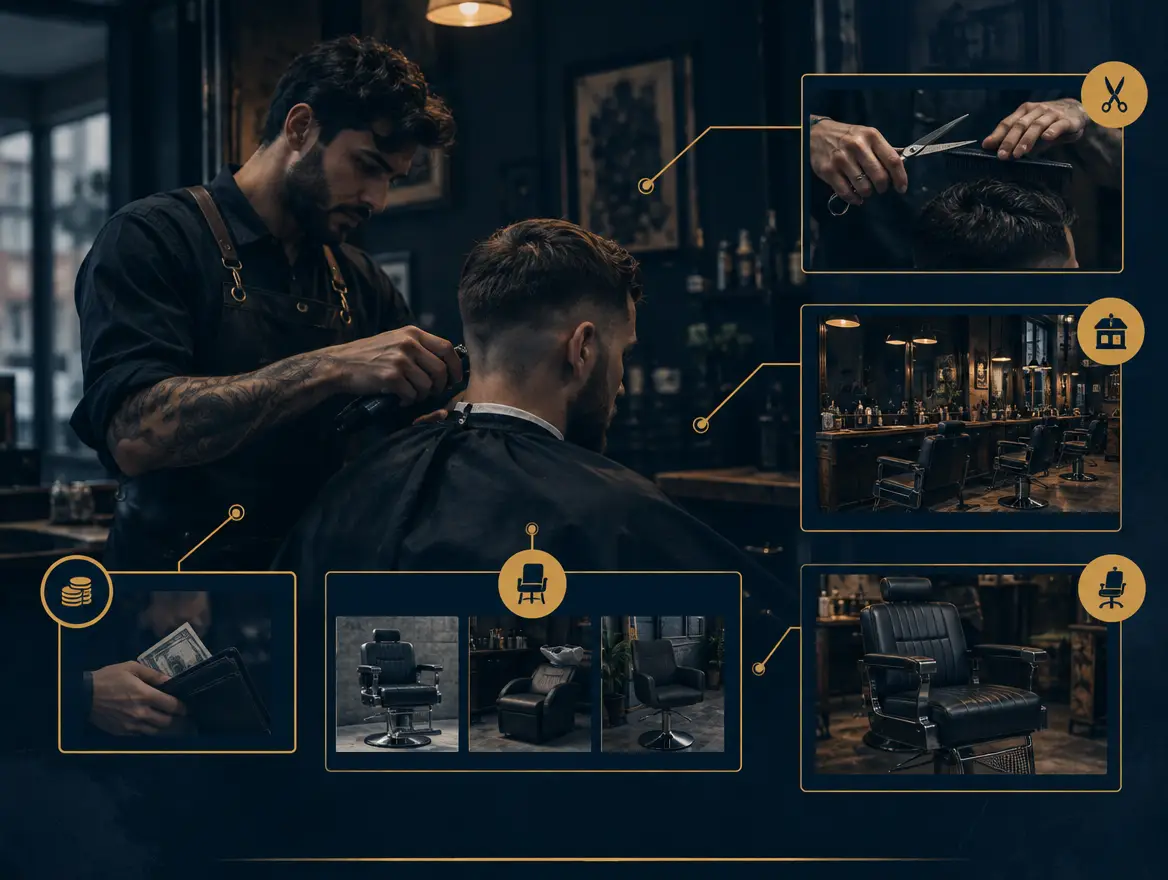
Imagine a shop that posts an ad for 'a barber'. The owner actually needs someone to take over a busy skin fade chair on weekends. The ad draws a mix of applicants: an all-rounder who prefers long appointments, a razor specialist and a new graduate. The owner spends days replying, trials two people and realises neither fits the chair. The ad never said what the chair was. It is a common story, and it is avoidable.
A skill-specific listing includes:
- The skill, in plain words. 'Skin fade specialist' or 'beard sculpting and grooming barber', not 'experienced barber'.
- The shop type. Express, family or premium grooming. Applicants self-select on this alone.
- Pay, shown up front. Hiding pay slows everything and signals a shop that avoids the conversation.
- The chair type. BarberRise supports five: full-time, trial-to-permanent, rostered, short cover and rent-a-chair. Choose the one that matches how you actually want to run the chair.
- What you will see in the portfolio. Tell applicants what proof you want, such as blend consistency or razor technique.
- Rostered hours and start date. Barbers plan around these.
Hire your way. A trial-to-permanent role lets you test fit before committing. Short cover fills a gap without a long-term promise. Rent-a-chair suits a barber who wants to run their own book.
One caution on rent-a-chair. Whether a barber is a contractor or an employee depends on the real working relationship, not the label on the agreement. For employees, check the Hair and Beauty Industry Award with the Fair Work Ombudsman. For contractor arrangements, check the Fair Work Ombudsman guidance on independent contractors, or get advice, before you advertise.
Here is the commercial side. Posting a role on BarberRise is free. We charge 0% commission and never take a percentage of wages. A founding shop's first placement is free. Because applications arrive with portfolio and experience attached, you spend your time on conversations, not sorting.
What if your skill is thin in your local market?
If your skill is thin locally, widen the map before you widen your skill list. Check nearby suburbs and regional towns, where a specialist may be scarce and valued. Then consider a second skill that your city does ask for. Moving a few suburbs often beats retraining entirely.
Start with distance. A razor specialist in a suburb full of express shops may find that the premium studio they want is two suburbs over. Check the city hub, then check hubs for surrounding areas. Our post on barber jobs in nearby locations walks through how to do this properly.
Next, test before you commit. Trial-to-permanent and short cover roles let you try a shop, a commute and a client base without signing up long term. For a barber thinking about a regional move, short cover is a low-risk way to see whether the town suits you.
Then look at adding a skill. If every listing in your city names fades and you lead with razor work, add fade work to your profile. You do not need to abandon your strength. You need to be hireable where you are.
Shops face the same problem from the other side. If specialists are thin in your city, widen the search to barbers moving to your area. On BarberRise, barbers from the UK, Canada and New Zealand can tell shops where they are heading and when. You can see them before they reach the open market.
We also keep city career guides for barbers weighing up a move. They sit alongside the hub pages and cover what working in each city tends to look like.
Three steps. Both sides.
The process is the same whether you are a barber or a shop owner. Three steps. Both sides.
- Create your profile. Barbers lead with their top skill, portfolio and verified credentials. Shops describe the shop type and the chair.
- Post or browse. Shops post a skill-specific role for free, with pay shown up front. Barbers browse their city hub and the specialty skill pages for fades, beard sculpting and straight razor work.
- Connect and work. Both sides agree the chair type and start.
For barbers: create a verified BarberRise profile led by your top skill, then browse your city hub. Find your chair.
For shops: post a skill-specific role for free, with pay shown up front. Founding shops can claim their free first placement.
There is also a job board index if you want to see every city in one place.
Why we think hiring for the chair beats training to fill the gap
Most advice tells shop owners to hire for attitude and train the skill. Our founder learned the hard way that it is not that simple. In Canada, Justin ran an academy inside his own shops and trained barbers from scratch. He invested real time and money in developing new staff. Within months, those staff were poached.
The economics of that experience shaped how BarberRise thinks about hiring. Training has a place. But training someone for a skill gap you could have hired for, then losing them, is expensive. A precise match at the start reduces the pressure to train under the gun. It also makes it easier to focus any training budget on the things that build a long career.
Later, Justin owned Black Sheep Barbershop on the Gold Coast. He knew the 6am opens, the no-shows and the staff hunts. He knew how hard it is to step away from the chair while keeping every chair filled. He built BarberRise inside his own shop so owners could hire from barbers already screened for the chair, instead of chasing Facebook groups, DMs and generic job boards.
Here is our position. A job board should not be a place you trawl. It should be a board built for one trade. Only barbers, only barbershops. A role should go straight to the people already screened for it, and applications should arrive with proof attached.
We also think skill alone does not keep people in the trade. Education should support a career behind the chair, not just a grind. That means health, ergonomics, building clientele and business basics, so the work still suits you in year fifteen. Education that outlasts hustle culture is part of retention, because a barber who sees a future in a shop is harder to poach.
That is why the platform has three tiers: community, education and job placement. A placement fills the chair. The other two help it stay filled. Rise together. Master your craft, grow your shop.
References
- Fair Work Ombudsman, Hair and Beauty Industry Award [MA000005] summary
- Fair Work Ombudsman, Independent contractors
- Office of the Migration Agents Registration Authority (OMARA), Find a registered migration agent
- Safe Work Australia, Work health and safety guidance
Frequently asked questions
What barber skills are most in demand in Australia?
It depends on the city and shop type, and we do not publish invented figures. Fades tend to lead in high-volume shops, beard sculpting in grooming studios and razor work in premium shops. Check live listings on your city hub to see what is being asked for right now.
Do I need to specialise to get a barber job?
No, but leading with one strong skill helps. Shops scan profiles quickly, and a clear lead skill makes you easier to place. You can list a second skill underneath. All-rounders are still wanted in family and suburban shops.
How do I find barber jobs in my city?
Browse your city hub on BarberRise, read the listings and note which skills repeat. Then create a verified profile led by your strongest matching skill. If your city looks thin, check nearby suburbs and towns.
How much does it cost to post a barber job on BarberRise?
Posting a role is free. BarberRise charges 0% commission and never takes a percentage of wages. A founding shop's first placement is free.
Can a barber from the UK, Canada or New Zealand line up work before arriving?
Yes. Barbers can tell shops where they are heading and when, months before they land, and the Australia Ready pass helps them prepare to cut here. BarberRise never gives visa advice. Visa questions always go to a registered migration agent.
Find a chair near you
Every city, by state: barber jobs in Australia and hairdressing jobs in Australia. Pay floors and how each pay structure works: what barbers get paid.

BarberRise
The team building Australia's job platform for barbers and barbershops.
Keep reading

job expiry date
Barber Job Expiry Dates: How Long Listings Stay Live and Why It Matters for Barbers and Shops
18 min read

Barber colour specialist jobs
Barber Colour Specialist Jobs: How to Find or Fill a Colour Chair in Australia
17 min read

barber job market FAQs
Barber Job Market FAQs: Straight Answers About Finding or Filling a Chair in Your City
15 min read