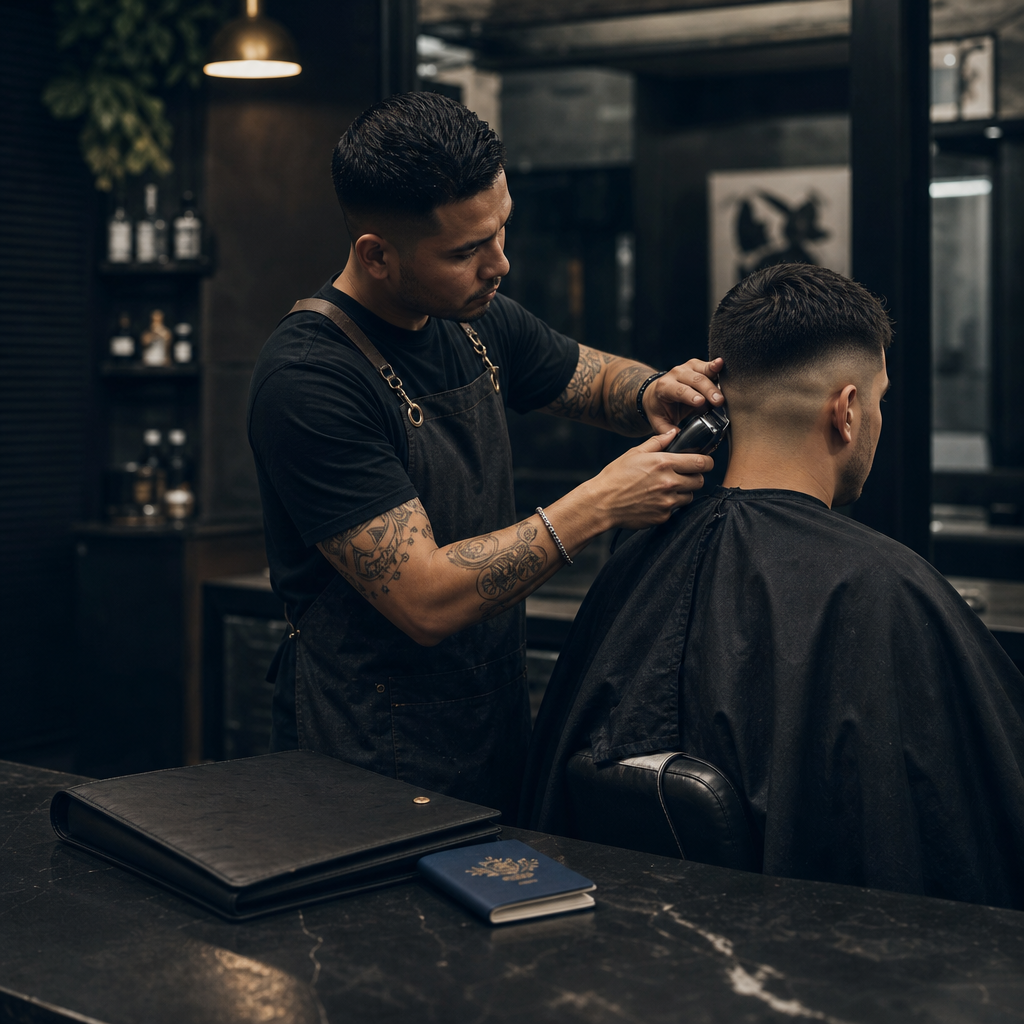
Visa sponsorship barber jobs are chair-based roles where an Australian shop agrees to support an overseas barber's work visa application. Sponsorship is a legal process run by the Department of Home Affairs, not the job board. Overseas barbers should prepare proof of skills and ask about pay, hours and costs before accepting.
Search "visa sponsorship jobs" and you get a pile of vague ads that rarely mention barbering. Qualified barbers waste weeks on roles that were never real. Shops waste weeks on applicants nobody has screened.
This guide covers both sides of the chair. If you are an overseas barber or hairdresser, you will see what to prepare and what to ask. If you own a shop with an empty chair, you will see how to weigh sponsorship honestly. One clear note first: BarberRise does not provide migration advice and does not arrange visas. Visa questions always go to the Department of Home Affairs or a registered migration agent.
Key Takeaways
- General boards bury barber roles under vague "visa sponsorship available" ads with hidden pay and no trade screening.
- Sponsorship is a government process. Eligibility, visa types and costs change, so check with the Department of Home Affairs or a registered migration agent.
- Overseas barbers should arrive with a portfolio of fades, razor and beard work, references, qualifications ready to check and honest English and experience details.
- Ask every shop about pay, hours, chair type, trial period and who covers which costs, and get the answers in writing.
- Shops should weigh sponsorship against the real cost of an unfilled chair, and a verified profile cuts hiring risk.
- BarberRise is a trade-only board: free to post a role, 0% agency commission and pay shown up front.
Built only for barbers and barbershops
Barbers: tell us where you want to cut and when, and shops see you first. Shops: post a role free, and your first placement is free as a founding shop.
Get startedSummary Table
| Topic | What overseas barbers should do | What shops should do |
|---|---|---|
| Sponsorship intent | Say clearly that you need sponsorship and roughly when you can start | State whether sponsorship is on the table in the ad |
| Pay | Ask for the pay structure in writing before accepting | Show pay up front instead of "competitive" |
| Credentials | Have qualifications and references ready for checking | Prefer verified profiles to unchecked applications |
| Costs | Ask who covers which costs, in writing | Decide your budget and commitment before advertising |
| Migration questions | Use a registered migration agent | Use a registered migration agent |
| Chair type | Choose full-time, trial-to-permanent, rostered, short cover or rent-a-chair | Name the chair type you actually offer |
Why "Visa Sponsorship Jobs" Searches Go Wrong on General Boards
Generic job boards fail visa sponsorship searches because they treat a barber chair like any other vacancy. Pay is vague, applicants are unscreened, and many ads never mention the trade at all. Both sides waste time before anyone finds out whether the chair, the pay or the sponsorship offer is real.
Look at what a typical "visa sponsorship" listing on a general board gives you. A job title that could be anything. A salary line that says "competitive" or nothing. A sponsorship tag that may mean "we have sponsored someone once" or "we will consider it for the right person". No hint of whether the role is a full-time wage, a commission split or a rented chair.
There are three recurring problems.
Unclear pay
Barbering pay is not one thing. A wage, a commission split and a chair rental are completely different deals. If the ad hides which one it is, an overseas barber cannot compare it with an offer back home. A shop that shows pay up front is telling you it expects to be asked.
Unscreened applicants
General boards collect every applicant who clicks. A shop owner then sifts through CVs from people who have never held a clipper. That is hours of work before the first useful conversation. For a shop considering sponsorship, which takes real commitment, that sifting is a bad way to find a person you may rely on for years.
Ads that never mention the trade
Many sponsorship ads are written for office jobs and then lightly adapted. They ask for a "resume" and "stakeholder skills" when what matters is whether you can deliver a clean skin fade on a busy Saturday. A barber should not have to translate their own trade for the platform.
I have spent ten years in the trade and managed three shops. I have hunted for staff through Facebook groups, DMs and general boards. Here is my position, and it is deliberate: "We're not Seek. We're not Indeed. We're only for barbers and barbershops." Only barbers, only barbershops. That focus is the whole point.
How Employer Sponsorship Works for Barbers and Hairdressers
Employer sponsorship means an Australian business agrees to support your application to work here in a specific role. For barbers and hairdressers, that can involve a skills assessment and an approved employer. Rules, visa names and costs change, so confirm everything with the Department of Home Affairs or a registered migration agent.
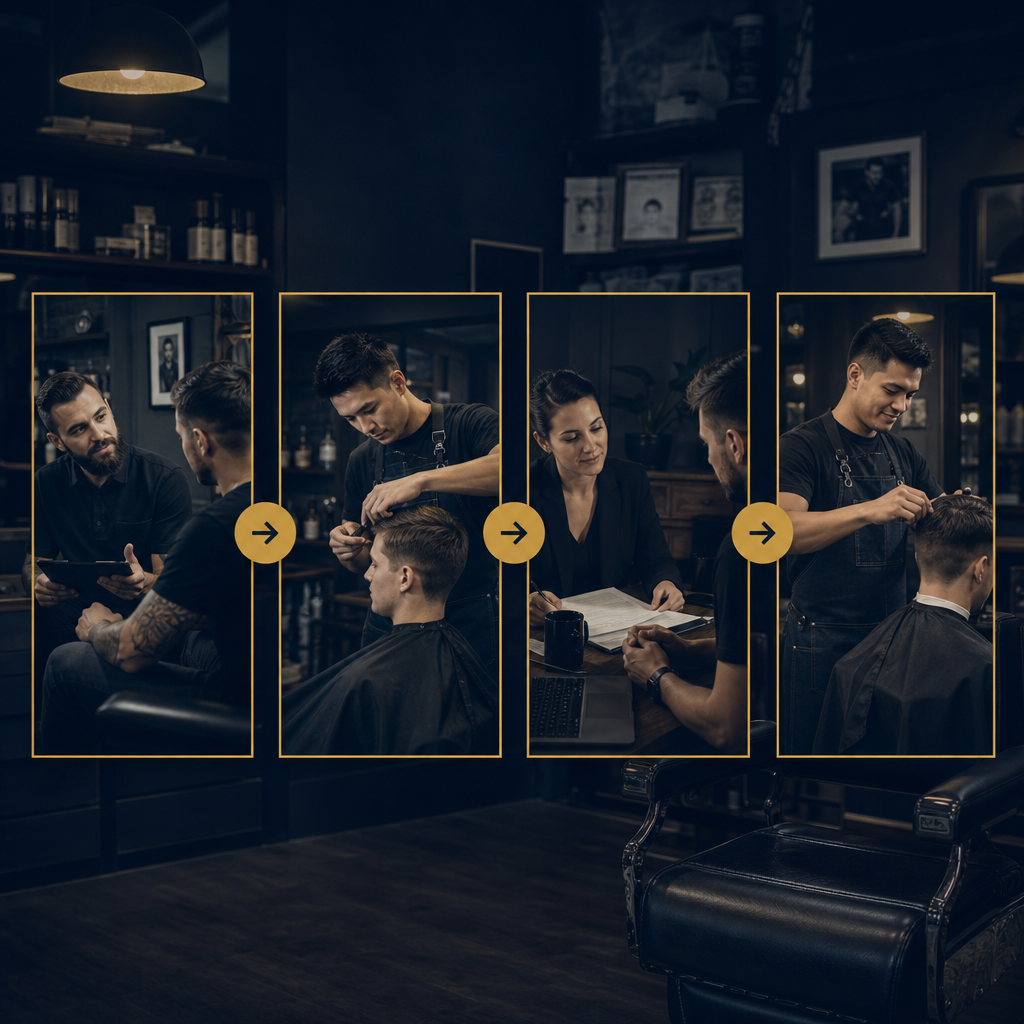
Here is the general shape, with no promises about eligibility. I am deliberately not naming visa types or quoting fees, because those details change and BarberRise is not a migration service.
- The shop and the barber agree on a role. This is a real conversation about the chair, the pay and the hours.
- Skills and experience get assessed. Employer-sponsored pathways commonly involve some form of skills assessment for the occupation. What is required for your situation is a question for a registered migration agent.
- The employer and the applicant go through the formal process. This is handled through the Department of Home Affairs.
- You land and start work. This is where the real test begins, which is whether the chair, the team and the clients suit you.
Two practical points matter more than any visa name.
First, get advice from a registered migration agent. In Australia, people who give immigration assistance generally need to be registered, and the Office of the Migration Agents Registration Authority (OMARA) keeps the register. Check the agent's registration before paying anyone.
Second, once you are working, Australian workplace law applies. The Fair Work Ombudsman publishes information on pay, awards and entitlements. Understanding it before you sign protects you from a deal that looks generous and is not.
BarberRise never gives visa advice. What it does is let barbers from the UK, Canada and New Zealand tell shops where they are heading and when, months before they land. That helps both sides plan. The Australia Ready pass is there so barbers are ready to cut here when they arrive.
What Overseas Barbers Should Prepare Before Approaching a Shop
Prepare proof that you can cut to an Australian standard and that your story is true. That means a portfolio of fades, razor work and beard work, references from past shops, qualifications ready for checking, and honest details about your English and experience. Shops sponsoring someone are betting on you, so give them evidence.
A portfolio that shows the work
Shops hiring a barber want to see the craft, not a mood board. Include:
- Fades across the range: skin, taper, drop, and blends on different hair types.
- Razor work: neck clean-ups, straight-razor shaves and line-ups.
- Beard work: shaping, fades into the beard and finishing.
- Scissor work, if you do it, on longer styles.
Use your own work, shot clean, with the full head visible. If a photo is not yours, leave it out. A fake portfolio unravels the moment you pick up a clipper on trial day.
References and qualifications
Gather references from former employers or shop owners who can speak to your skills and reliability. Have your qualifications and any licences or certificates scanned and ready. Credentials are checked before a BarberRise profile shows as verified, so having them ready speeds that up. It also tells a shop owner you are organised.
Honest English and experience details
Be straight about both. If your English is solid for conversation but you are still building confidence, say so. Barbering is a talking trade, and shops understand a learning curve. What they do not forgive is finding out on day three that your three years became one year. State your real years behind the chair, the kind of shops you have worked in and the volume you are used to cutting.
Your timing and your sponsorship needs
Say when you plan to arrive and whether you need sponsorship. A shop planning a roster wants that information early. Create a free verified profile and state your sponsorship needs clearly. That one step stops a lot of wasted conversations.
Questions to Ask a Shop Before Accepting a Sponsored Chair
Ask about pay, hours, chair type, trial period and who covers costs before you accept. Get answers in writing. A shop serious about sponsorship will answer plainly. A shop that dodges these questions is telling you something, and it is better to hear it before you resign from your current job.
Here is the checklist I would use if I were the one moving countries.
| Question | Why it matters | What a good answer sounds like |
|---|---|---|
| What is the pay structure? | Wage, commission and chair rental are different deals | A specific structure, in writing, with no "we'll see" |
| What are the weekly hours and roster? | Affects your income and life outside the shop | A real roster, including weekends and late nights |
| What type of chair is it? | Full-time, trial-to-permanent, rostered, short cover and rent-a-chair differ | The shop names one and explains it |
| Is there a trial period, and what happens after it? | Protects both sides | Clear terms for the trial and what follows |
| Who covers which costs? | Avoids surprises after you commit | A plain list of who pays for what, confirmed by your migration agent |
| How does the shop help new barbers build a book? | Your income depends on a full chair | Walk-ins, existing clientele handover or a booking system the team uses |
A few more questions worth asking:
- Has the shop hired from overseas before, and how did it go?
- Who will I be working alongside, and can I speak to one of them?
- What does a typical week look like for a new barber here?
- Is the sponsorship offer firm, or conditional on the trial?
Treat the conversation as a two-way interview. The shop is assessing you. You are assessing the shop. If something sounds too good, ask for it in writing and run it past a registered migration agent and, where pay is involved, check the Fair Work Ombudsman's guidance.
One more rule: be careful if anyone asks you to pay for a job offer. Ask who is paying what, why, and get independent advice from a registered migration agent before you hand over money.
For Shops: Is Sponsoring a Barber Worth It?
Sponsorship is worth it when an unfilled chair costs you more than the time, money and commitment involved. It rarely suits a shop that needs a barber next week. It suits a shop planning to keep someone for years. Weigh it honestly.
As an owner, I know the maths of an empty chair. A full shop runs itself. An empty chair runs you. You cover the shift, you turn away walk-ins, and your best barbers get stretched thin. That pressure makes sponsorship tempting. Do not let it make the decision for you.
What you are really weighing
Time. Sponsorship is slower than hiring a local who can start Monday. You will be dealing with paperwork and waiting. Be realistic about how long you can carry the gap, and ask a registered migration agent for current timeframes rather than guessing.
Cost. There are costs involved, and they change. I will not quote fees here. Get them from the Department of Home Affairs and your migration agent, then work out who in your shop carries what.
Commitment. Sponsoring someone is a promise to give them a real role. You are not renting a pair of hands. If the barber does not fit, or the chair does not fill, you still have obligations. Understand them before you advertise.
The alternative. Sometimes the cheaper answer is a different chair type. Short cover, rostered work or a rent-a-chair arrangement can fill a gap faster. Sponsorship is for roles you genuinely want long term.
Why a verified profile reduces hiring risk
The biggest risk in hiring from overseas is not the paperwork. It is not knowing whether the person can cut. A verified profile means credentials were checked before it showed as verified. Applications arrive with portfolio and experience attached, so you judge the work before you spend an hour on a call. That does not remove all risk, and a trial still matters. It does mean you start from evidence instead of a CV that lists "barbering" next to "customer service".
If you are open to sponsorship, say so in your ad. Show the pay. Name the chair type. Barbers will respond to a shop that is upfront.
Using BarberRise to Find and Screen Matches
BarberRise is a trade-only board where posting a role is free, agency commission is 0% and pay is shown up front. Credentials are checked before a profile shows as verified. Both sides can talk openly about sponsorship before committing, without a recruiter taking a cut of anyone's wages.
The model is simple. Three steps. Both sides.
- Create your profile. Barbers add their portfolio, experience and sponsorship needs. Shops add their chair, their pay and whether sponsorship is on the table.
- Post or browse. Shops post a role, which is free. Barbers browse roles built for the trade, with pay visible.
- Connect and work. Both sides talk, agree terms and get on with the job.
A few specifics that matter for this topic:
- Free to post a role. No upfront fee to list a chair.
- 0% agency commission. Never a percentage of wages.
- Free first placement for founding shops. If you are an early shop, your first placement costs nothing.
- Five placement types. Full-time, trial-to-permanent, rostered, short cover and rent-a-chair. Choose the one that fits.
- Early notice of moves. Barbers from the UK, Canada and New Zealand can say where they are heading and when. Shops can see barbers moving to their city before those barbers reach the open market.
The platform has three tiers: community, education and job placement. Skills get you started. A community gets you further. A placement is just the start of a career behind the chair, not just a grind.
What BarberRise does not do is advise on visas or arrange them. That stays with the Department of Home Affairs and registered migration agents. What it does is make sure the conversation about the chair is honest and trade-specific, so you only spend legal and migration money on a match that already looks right. Find your chair, or fill yours, and rise together.
What Actually Makes a New Barber Stay (and Why It Matters for Sponsorship)
A new barber settles when three things happen early: the pay matches what was promised, the chair fills with clients, and the team treats them as one of their own. Visa status does not change that. Sponsorship only works when the shop earns the stay.
Here is what I believe from ten years in the trade, and it is the opposite of what most hiring advice says. Most say the hard part is finding the barber. It is not. The hard part is keeping them.
I ran an academy inside my shops in Canada and trained barbers from scratch. I invested in developing new staff, and those staff were poached within months. That experience shaped how I think about recruitment. Training and hiring are investments, and an investment in someone who leaves is a loss. It is why I do not treat sponsorship as a favour a shop does for a barber. It is a mutual commitment that both sides need to want.
At Black Sheep Barbershop on the Gold Coast, I lived the other side. Six am opens. No-shows. Staff hunts. Trying to step away from the chair while keeping every chair filled. I built BarberRise inside my own shop because I wanted to hire from barbers already screened for the chair, not hunt through Facebook groups, DMs and generic job boards.
From the shop floor, here is what makes a new barber settle:
- The first few weeks are about the book. A barber with an empty chair in week two starts looking at job ads. Plan how clients reach the new chair.
- Pay is not a surprise. If the first pay slip does not match the conversation, trust is gone.
- Someone looks after them. A new arrival in a new country needs a teammate who answers the small questions: where to park, which supplier, how Aussie clients like a fade.
- The shop looks after the barber's body and future. Long careers need good ergonomics and health habits. I want a trade that still works for people in year fifteen. That is education that outlasts hustle culture.
For an overseas barber, ask yourself whether you can see yourself in this team in two years. For a shop, ask whether you will still be investing in this person after the novelty of a new hire wears off. If both answers are yes, the sponsorship conversation is worth having.
References
- Department of Home Affairs, Australian Government: https://immi.homeaffairs.gov.au
- Office of the Migration Agents Registration Authority (OMARA): https://www.mara.gov.au
- Fair Work Ombudsman, Australian Government: https://www.fairwork.gov.au
Frequently asked questions
Can barbers get visa sponsorship in Australia?
Some Australian employers do sponsor overseas barbers and hairdressers, but eligibility, visa types and costs depend on current government rules and your circumstances. These change, so check the Department of Home Affairs website and speak to a registered migration agent. BarberRise does not provide migration advice.
How do I find barber jobs with visa sponsorship in Australia?
Use a trade-specific board where pay is shown and the shop says whether sponsorship is on the table. On BarberRise, barbers create a free verified profile, state their sponsorship needs and browse roles built for barbers. Ask every shop about pay, hours, chair type and costs before accepting.
Does BarberRise sponsor visas or give migration advice?
No. BarberRise is a job board for barbers and barbershops. It does not sponsor visas, arrange visas or give migration advice. Visa questions go to the Department of Home Affairs or a registered migration agent. BarberRise helps barbers and shops find, screen and talk to each other.
How much does it cost a shop to post a sponsored role?
Posting a role on BarberRise is free, and there is 0% agency commission, never a percentage of wages. The first placement is free for founding shops. Costs of the sponsorship process itself are separate and set by government, so confirm them with a registered migration agent.
What should I ask a shop before accepting a sponsored barber job?
Ask about the pay structure, weekly hours, chair type (full-time, trial-to-permanent, rostered, short cover or rent-a-chair), trial period and who covers which costs. Get the answers in writing. Check Fair Work Ombudsman guidance on pay and entitlements, and run anything unclear past a registered migration agent.
Is it safe to pay someone to get a sponsored barber job?
Be cautious. Ask exactly who is being paid, for what and why. Get independent advice from a registered migration agent, and check their registration on the OMARA register before handing over money. A genuine shop wants to hire you for your skills.

BarberRise
The team building Australia's job platform for barbers and barbershops.
Keep reading
full-time barber jobs
Full-Time Barber and Hairdressing Jobs in Australia: How to Find a Permanent Chair Worth Keeping
17 min read
benefits for job seekers
What Barbers Get From BarberRise: Free Profiles, Upfront Pay and Chairs That Actually Suit You
11 min read

Barber and hairdressing jobs in Australia
Barber and Hairdressing Jobs in Australia: Where to Find Them and How to Land the Right Chair
15 min read