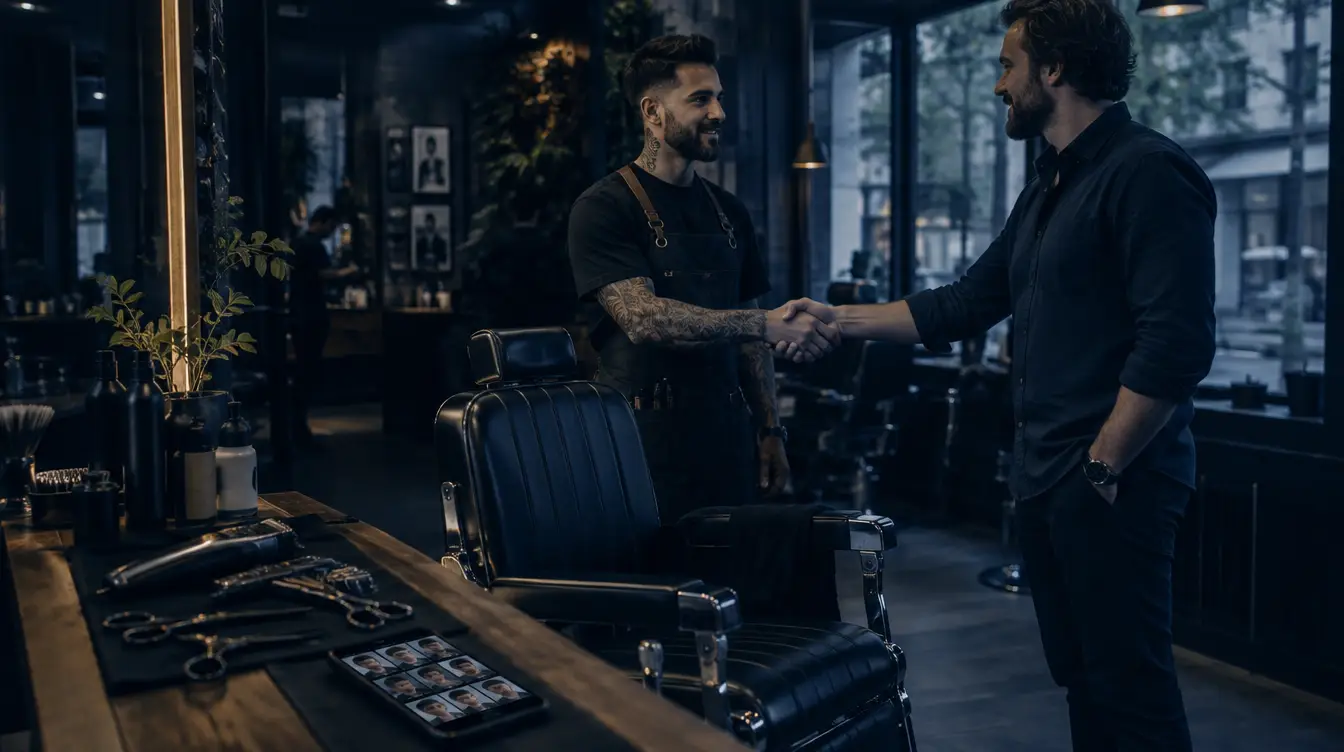
Good barber interview advice comes down to three things: prepare for a live skills test, not a CV chat; bring your own kit, a portfolio and a clear consultation process; and know your pay, award conditions and chair type before you sit down. Show skill, manner and fit, then follow up the same day.
Most interview advice online is written for office jobs. It tells you to dress smartly, research the company and prepare a five-year plan. None of that decides whether you get the chair. A barber interview is judged on a live cut, how you consult, how you talk to a stranger in the chair and how you fit the floor.
This guide is a trade-specific playbook for the whole process: research, the conversation, the trade test or trial shift, the pay talk and the follow-up. There is also a shorter section for shop owners who want to run fairer, faster interviews. It comes from the BarberRise view that interviews go better when pay is shown up front and credentials are checked before the meeting, so both sides spend the time on skill and fit, not paperwork.
Key Takeaways
- A barber interview is a skills test with a conversation attached. Prepare for the chair, not just the chat.
- Research the shop's style and clientele, and confirm the chair type (full-time, trial-to-permanent, rostered, short cover or rent-a-chair) before you go.
- Strong answers to interview questions are specific and describe what you actually do in the chair.
- At a trade test or trial shift, bring your own kit, talk through your consultation and clean down your station.
- Ask about rate, commission and award conditions directly. Clear pay up front saves both sides time.
- Follow up the same day, and if you miss out, ask for feedback and keep the door open.
Built only for barbers and barbershops
Barbers: tell us where you want to cut and when, and shops see you first. Shops: post a role free, and your first placement is free as a founding shop.
Get startedSummary: The Barber Interview at a Glance
| Stage | What the shop is judging | What you should do |
|---|---|---|
| Research | Whether you actually want this shop | Study their cuts, clientele and chair type |
| The chat | Communication, attitude, reliability | Give specific answers and ask good questions |
| Trade test or trial shift | Technique, consultation, hygiene, pace | Bring your kit, talk through your process, clean down |
| Pay talk | Clarity and realistic expectations | Ask about rate, commission, award and chair terms |
| Follow-up | Professionalism and genuine interest | Send a short thank-you and confirm next steps |
Why a Barber Interview Is a Skills Test, Not a CV Chat
A barber interview is a trade test with a conversation attached. The owner is judging your hands, your consultation, your chair-side manner and whether you suit the floor. Your CV gets you in the door. What you do with clippers, shears and a stranger in the chair decides the offer.
Think about what the owner is actually buying. They are not buying a list of past employers. They are buying a barber who will fill a chair, keep clients rebooking and not create problems for the team. That is hard to read from paper, so a live cut and a real conversation do the work.
Three things are being tested at once:
- Technique. Clean lines, blending, consistency and finish.
- Consultation. Whether you listen, ask the right questions and set expectations before the first cut.
- Floor fit. Whether you work cleanly, talk well with clients and colleagues and handle a busy shop.
The barber who understands this prepares differently. You are not rehearsing a speech. You are warming up for a performance, and the audience is a small team who will work beside you every day.
Before the Interview: Research, Portfolio and Chair Type
Before the interview, do three jobs: research the shop's style and clientele, build a portfolio of before and after photos, and confirm which chair is on offer. Each one takes little time and puts you ahead of candidates who walk in cold. It also gives you sharper questions to ask.
Research the shop's style and clientele
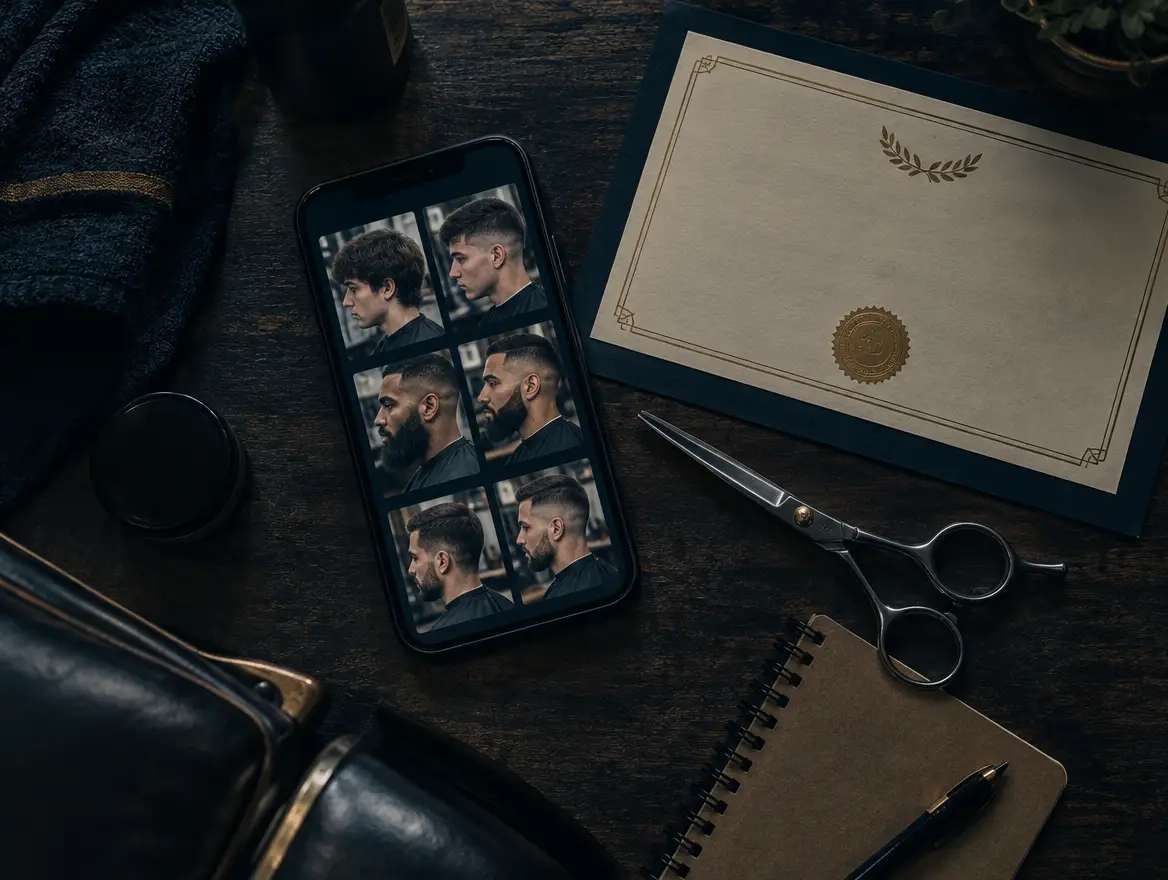
Scroll the shop's Instagram and Google reviews. Look at what they actually cut. Is it skin fades and beard work, classic scissor cuts, kids, or a mix? Note the tone: is the shop quiet and precise, or loud and social? Then match your examples to their work.
If you cut sharp fades all day and the shop does mostly traditional hot-towel service, that is worth knowing before you apply. The best interviews are ones where you have already decided you want that floor.
Build a portfolio of before and after photos
Bring a phone gallery or a printed set of your best work. Keep it short and selective. Choose a spread: a clean fade, a scissor cut, a beard shape-up and a restyle. Show the before as well as the after, because it proves the change you made.
A few rules help:
- Photograph from consistent angles, with decent light.
- Show back and sides, not just the top.
- Get client permission if the face is visible.
- Lead with work that matches the shop's style.
On BarberRise, applications arrive with portfolio and experience attached. That means the owner has seen your work before you walk in, and the interview can focus on the cut and the conversation.
Confirm the chair type on offer
Not every barbering role is the same arrangement. Confirm early whether you are being offered a full-time role, a trial-to-permanent position, a rostered spot, short cover or a rent-a-chair arrangement. Each changes how you should prepare and what you should ask.
A rent-a-chair interview is closer to a business conversation. You are asking about chair rent, what is included, how bookings work and your own obligations as an independent operator, including ABN and GST where they apply. A trial-to-permanent role means the trial shift is effectively the final stage, so treat it that way.
Check your credentials before you go
Have your qualification evidence ready. The Certificate III in Barbering (SHB30121) is the nationally recognised qualification many Australian shops look for. Bring certificates, references and any relevant first aid or hygiene training. Checking credentials before the meeting means nobody wastes interview time on paperwork. Our guide to required qualifications for barber jobs in Australia covers what shops commonly ask for.
If you are coming from interstate or overseas
Barbers moving from interstate, or from the UK, Canada and New Zealand, should tell shops where they are heading and when. A heads-up weeks or months before you land gives a shop time to plan a chair. BarberRise's Australia Ready pass helps overseas barbers get ready to cut here. We never give visa advice. Visa questions always go to a registered migration agent.
Common Barber Interview Questions and Strong Answers
Barber job interview questions tend to test four things: how you run a consultation, how you handle a difficult client, whether you rebook, and how you balance speed with quality. Strong answers are specific, short and describe what you actually do in the chair, not what sounds impressive.
'Talk me through your consultation.'
This is the most important question. A weak answer is 'I ask what they want.' A strong answer describes a sequence: you look at hair type, growth patterns and head shape, ask about lifestyle and maintenance, confirm the plan using clear language (guard numbers, lengths, where the blend sits), then start.
A good line to add: 'I repeat the plan back before I pick up the clippers, so nobody is surprised.' That sentence shows the owner you prevent bad outcomes, which protects their reputation.
'How do you handle a difficult client?'
Pick a real type of situation: a client who brings a photo that will not suit their hair, someone unhappy with the finish, or a late arrival on a full day. Describe three moves: stay calm, listen fully, offer a practical fix.
Owners want to hear that you can fix a problem without making a scene or giving away the shop's time. Never badmouth a past client or employer. It reads as a risk.
'How do you build a book of regulars?'
This is a rebooking question. Talk about booking the next visit before the client leaves the chair, suggesting a timeframe that suits the cut, and remembering personal details. Mention how you handle clients who drift away, such as a friendly message.
If you are early in your career, be honest. Say you are building your book and explain what you do to earn the second visit. Honesty beats inflated claims you cannot back up in a trial.
'How do you balance speed and quality?'
The honest answer is that quality comes first and speed follows from a good process. Explain how you set up your station, stay consistent in your routine, and keep conversation going without losing focus. If the shop runs back-to-back bookings, say you understand the pace and how you work towards it.
Do not boast about being the fastest in the shop. Owners have seen rushed fades. Say you work to the time the service is booked for, and finish clean.
'Why do you want to work here?'
Use your research. Name something specific about the shop's work, culture or clientele. Then connect it to what you do well. This question separates barbers who want any chair from barbers who want this one.
Questions you should ask them
An interview runs both ways. Ask about the client mix, how bookings are filled, whether walk-ins are part of the day, what training or mentoring is available, how the team works together and what a good first three months looks like. These questions show you think like a long-term team member.
Nailing the Trade Test or Trial Shift
For a trade test or trial shift, bring your own kit, bring a model if asked, talk through your consultation out loud and clean down your station at the end. Owners are watching your process and your habits as much as the finished cut.
Bring your own kit and check it
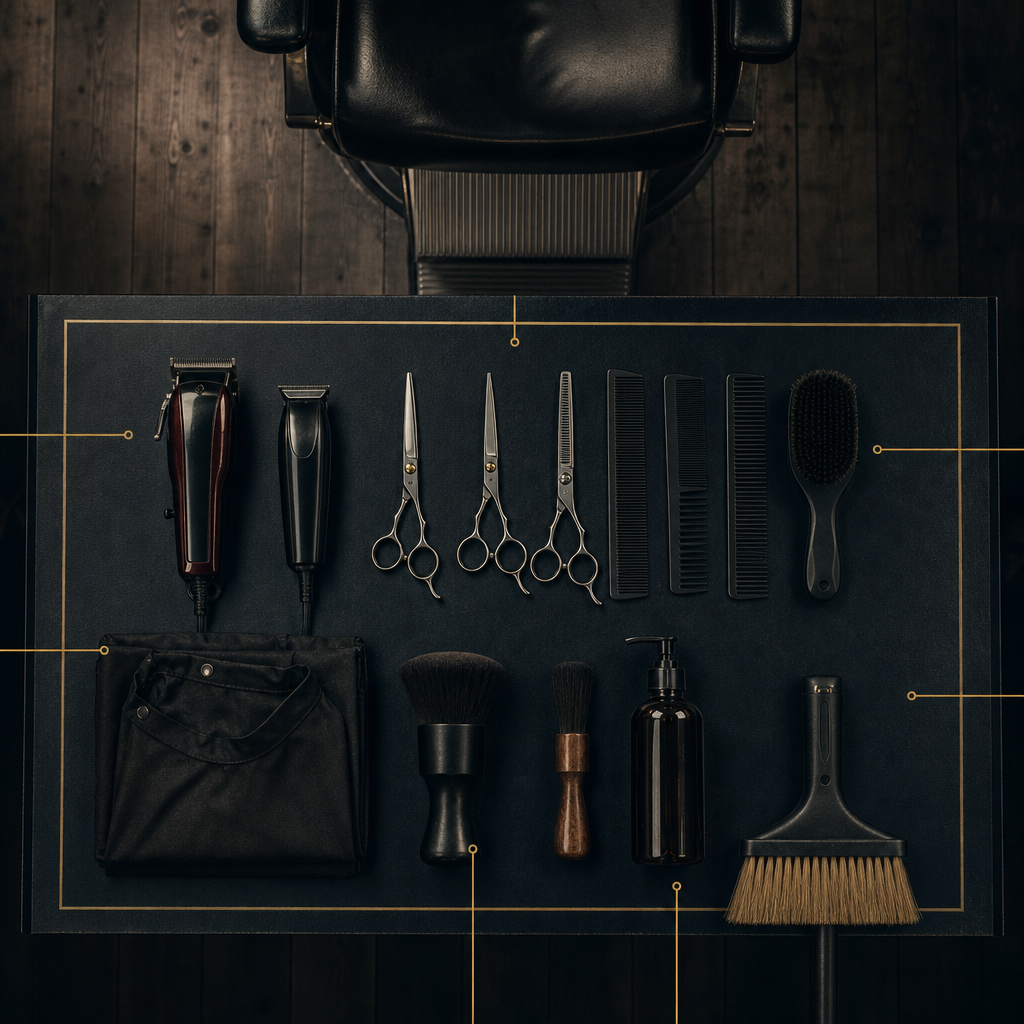
Turn up with clippers, trimmers, shears, combs, brushes, a cape if you prefer your own, and anything you rely on for finishing. Charge batteries and check blades the night before. Equipment failure in a trade test looks like poor preparation, even if it is not your fault. If the shop says they will supply tools, still bring your essentials. Familiar tools help you perform.
Bring a model if asked, and brief them
Some shops ask you to bring a model. Choose someone with hair that lets you show range, and tell them what to expect. Agree on the cut in advance, then run a proper consultation on the day anyway. The owner wants to see the process, not just the result.
If the shop supplies a walk-in client instead, treat them like any paying customer. The way you greet and consult a stranger is exactly what is being assessed.
Talk through your consultation as you work
Speak naturally and explain your decisions. 'I'm taking this a little longer on top because the crown sits low' tells the owner you understand hair. Keep the client at ease, and keep the conversation relevant. Silence feels tense, but constant chatter while you concentrate is also a risk. Read the client.
Clean down your station
Sweep, wipe, sanitise tools and reset the chair without being asked. A tidy handover tells the owner what working beside you will be like on a busy Saturday. It is one of the cheapest ways to stand out, and many candidates forget it.
Know your rights on trials
A trial should be about showing skill, not providing free labour. Under Australian workplace law, work that benefits the business generally needs to be paid. The Fair Work Ombudsman publishes guidance on unpaid trials and minimum pay. If a shop asks you to work a long unpaid shift serving real customers, ask whether it is paid. A reasonable shop will have a clear answer. Ask before the day, not after.
Talking Pay Without Awkwardness
Talk pay by asking direct, practical questions: the hourly rate or commission split, which award or agreement applies, how penalty rates and super work, and what the chair type means for your income. Asking is normal. A shop that avoids the question is telling you something.
Most barbers feel awkward raising money in an interview. It helps to treat it as logistics, not negotiation. You are checking that the role works for both sides.
What to ask
- Is the role hourly, commission, or a mix, and what is the split?
- Which award or agreement applies? The Hair and Beauty Industry Award 2020 is the award many hairdressing and barbering employers are covered by, so ask the shop to confirm.
- How are weekend and public holiday hours paid?
- How is superannuation handled?
- For rent-a-chair: what is the rent, what is included, and who pays for products and cleaning?
The Fair Work Ombudsman publishes award summaries and minimum wage information, so check the current rates before you talk numbers. Our local barber salary data page gives context on what barbers earn in different areas.
Why pay shown up front removes the guesswork
The awkward pay conversation exists because most job ads hide the number. You apply, interview and do a trial, only to learn the rate is below what you need. Everyone loses time.
This is why BarberRise shows pay up front. When the rate is on the role, the barbers who apply have already decided it works. The interview becomes about skill and fit, which is where it should have been all along. From fades to Fair Work, clear terms save everyone's day.
How to Interview a Barber: For Shop Owners
To interview a barber fairly, set one clear trade test, tell the candidate the format in advance, pay for productive work, score every candidate on the same criteria and give an answer quickly. Good barbers have options, and a slow or vague process loses them.
Structure a fair trade test
- Tell them the format before the day. Confirm what to bring, whether they need a model, and how long it will run.
- Keep it to one realistic cut. You are checking technique, consultation and hygiene, not extracting free work.
- Pay for productive work. If the candidate is serving paying customers, check your obligations under Fair Work guidance.
- Use the same test for everyone. It makes comparison fair and defensible.
What to look for
Watch the consultation first. Does the barber ask questions, confirm the plan and set expectations? Then look at the cut: clean lines, even blending and finish. Then look at the floor: do they talk well with the client, work safely, keep their station tidy and fit your team's tone?
Technique can be coached. Attitude and reliability are much harder to change. A slightly less polished fade with a great consultation and tidy habits is often a better hire than a showy cutter who ignores the client.
Respect a good barber's time
Check credentials and portfolio before the meeting, not during it. Show pay in the ad. Reply promptly, even with a no. Strong barbers talk to each other, and your hiring process becomes part of your shop's reputation.
This is the other half of the BarberRise approach. A role goes to barbers already screened for it, credentials are checked before a profile shows as verified, and applications arrive with portfolio and experience attached. Owners spend their interview time on the chair, not on sifting.
After the Interview: Follow-Up and What to Do If You Miss Out
After the interview, send a short thank-you the same day, mention one specific thing from the conversation, and confirm the next step. If you miss out, ask for feedback on the cut and the conversation, stay polite and keep the door open for the next chair.
How to follow up
Keep it brief. Thank them for their time, mention something particular such as the shop's work or a point from the chat, and restate your interest. If they gave a decision date, wait until it passes before checking in once. Persistent chasing does not help.
What to do if you miss out
Missing a chair is common, and it is rarely a verdict on your talent. Shops choose for fit, timing and chair type as much as skill. Do three things:
- Ask politely for feedback on your cut and consultation.
- Review your own performance. What would you change next time?
- Stay in touch. A shop that said no this month may have a chair next month.
If the feedback is about a gap, treat it as a training plan. Practise the specific skill, add better photos to your portfolio and apply again.
What Separates a Hire From a Near Miss: Lessons From Three Shops
In ten years in the trade and three shops managed, the gap between a hire and a near miss was rarely raw skill. It was process, manner and reliability. The barber who explains what they are doing and why is easier to trust with a chair than one who is simply fast.
That is our founder's first-hand view, not survey data. Three patterns kept showing up.
Consultation beats flash. The barbers who got offers were the ones who slowed down at the start. They asked, confirmed and set expectations. That habit prevents redos, and redos cost a shop money and goodwill.
Clean habits signal everything else. A barber who resets the station without being asked is usually the barber who turns up on time and respects the team. Owners read these small habits as a preview of the whole working relationship.
Turning up for the right chair matters. Justin, BarberRise's founder, ran an academy inside his Canadian shops and trained barbers from scratch. He invested in developing staff, and some of them were poached within months. That experience shaped his view that hiring is only half the job. The fit between barber and chair has to be right from the start, or the investment walks out the door. It is why BarberRise lets both sides choose the arrangement that suits them: full-time, trial-to-permanent, rostered, short cover or rent-a-chair.
As owner of Black Sheep Barbershop on the Gold Coast, Justin also lived the 6am opens, the no-shows and the staff hunts through Facebook groups, DMs and generic job boards. A full shop runs itself. An empty chair runs you. He built BarberRise inside his own shop so owners could hire from barbers already screened for the chair, and barbers could find roles that were clear about pay and chair type from the first message.
Our view is that interview prep should serve a career behind the chair, not just a grind. Health, ergonomics, business knowledge and a community matter in year fifteen as much as a sharp fade in year one. Skills get you started. A community gets you further.
Find Your Chair
Barbers should create a verified BarberRise profile and browse roles with pay shown up front. Shops should post a role free, with no commission, on a board built only for barbers and barbershops. Only barbers, only barbershops, so nobody wastes time sifting.
The process is three steps, on both sides of the chair: create your profile, post or browse, then connect and work.
For shops, the numbers are simple. Posting a role is free. Agency commission is 0%, never a percentage of wages. The first placement is free for founding shops. BarberRise supports five placement types: full-time, trial-to-permanent, rostered, short cover and rent-a-chair.
We are not Seek and we are not Indeed. We are a board built for one trade. Browse the barber jobs hub, check what different cities pay, and look at chair rental opportunities across Australia when you are ready to find your chair.
References
- Fair Work Ombudsman, Hair and Beauty Industry Award 2020 (MA000005) summary
- Fair Work Ombudsman, Minimum wages
- Training.gov.au, SHB30121 Certificate III in Barbering
Frequently asked questions
What should I bring to a barber trial shift?
Bring your own clippers, trimmers, shears, combs, brushes and any finishing tools, with batteries charged and blades checked. Bring a model if the shop asks. Have your qualification evidence and a short portfolio of before and after photos on your phone. Arrive early and be ready to clean down your station.
What questions are asked in a barber job interview?
Common barber job interview questions cover your consultation process, how you handle a difficult client, how you build regulars and rebook, how you balance speed with quality and why you want to work at that shop. Expect practical questions about hygiene, teamwork and availability too.
Do barbers get paid for a trial shift in Australia?
It depends on the arrangement. Work that benefits the business generally needs to be paid under Australian workplace law, while a short, supervised skills demonstration may be treated differently. Check the Fair Work Ombudsman's guidance on unpaid trials and ask the shop to confirm in writing before the day.
How do I pass a barber trade test?
Prepare your kit, run a proper consultation, talk through your decisions as you cut, keep your lines clean and your pace steady, and clean down your station at the end. Owners judge process, communication and habits as well as the finished cut.
How should a shop owner interview a barber?
Set one clear, realistic trade test and explain the format beforehand. Check credentials and portfolio before the meeting. Pay for productive work, score every candidate on the same criteria, and reply quickly. Fair, fast interviews attract better barbers.
Find a chair near you
Every city, by state: barber jobs in Australia and hairdressing jobs in Australia. Pay floors and how each pay structure works: what barbers get paid.

BarberRise
The team building Australia's job platform for barbers and barbershops.
Keep reading
cost of living for barbers in Australia
Cost of Living for Barbers in Australia: Where Your Wage Goes Further and How Shops Can Pay to Match
14 min read
barber employment outlook Australia
Barber Employment Outlook in Australia: Where Demand Is Heading and What It Means for Barbers and Shops
15 min read
required qualifications for barber jobs
Required Qualifications for Barber Jobs in Australia: What Shops Ask For and How to Prove It
14 min read